
Matilda Joslyn Gage Foundation
210 East Genesee Street
Architecture
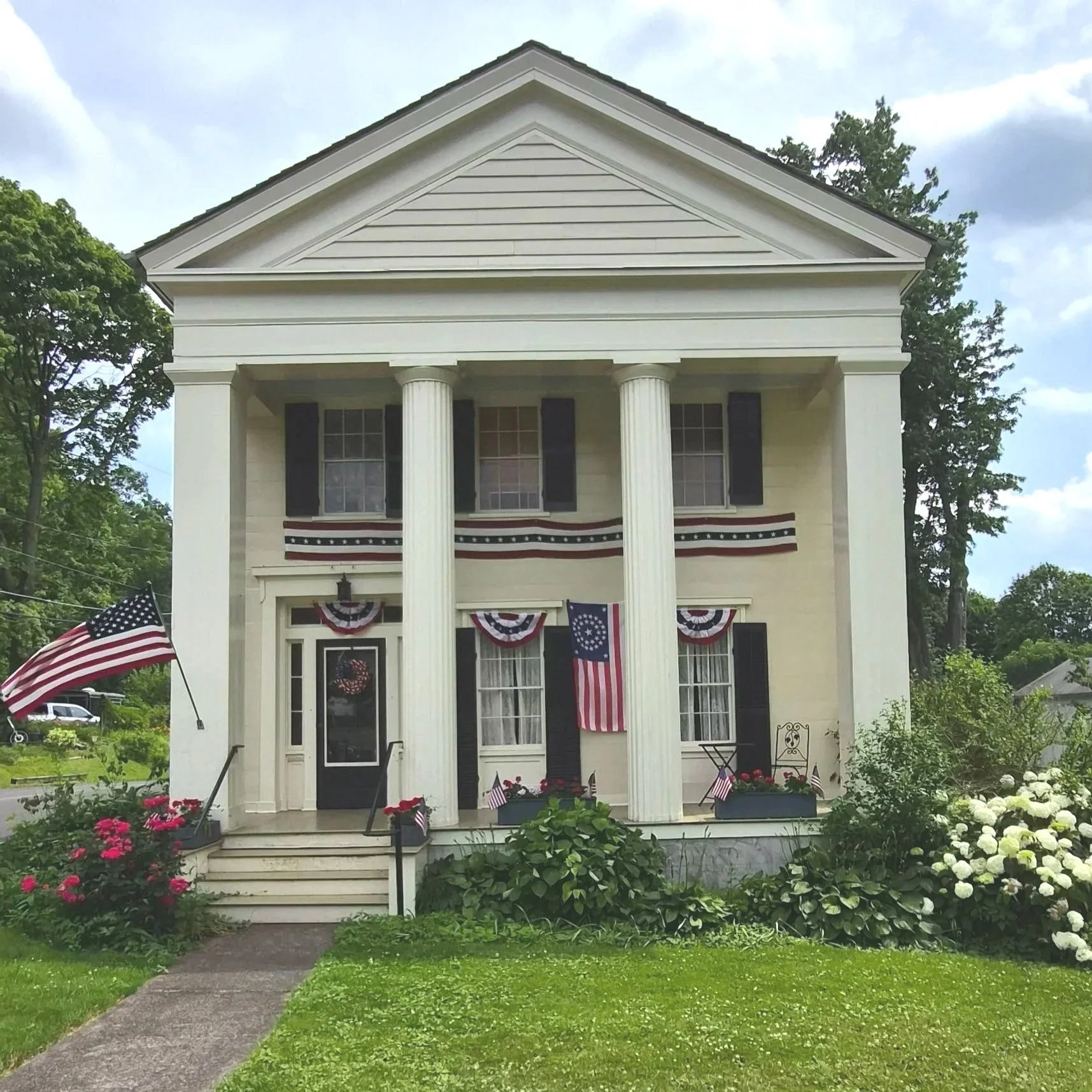
The house is typical of the Greek Revival style that you can see along East Genesee Street. The original part of the house was a two room structure. It was moved away from the road in the 1850s to make room for the Greek Revival addition. There is a significant difference in the ceiling heights of these two sections of the house, meaning there is also a 3 foot drop in the second floor between sections. The front portion of the house boasts the first bay window in Fayetteville. The house had extensive grounds, including a gazebo, orchard, apiary, garden, and various animals. In the early 1860s the Gage family added on a room facing the gardens for Matilda’s mother and father, Helen and Hezekiah Joslyn. The ages of the three sections of the house are easy to determine because of the changes in the original floorboards, which are still present in the house today. After Matilda passed away, the house was sold away from the family. It was divided up into apartments, restored for a while as a family home, and divided again. This was the state of the home when our founding director, Dr. Sally Roesch Wagner, purchased the property to start the Matilda Joslyn Gage Foundation. It took about a decade to raise the money and do the extensive work needed to bring the house back to what it was when Matilda would have lived here.
History
This house was part of the military tracts divided up from the land taken from the Haudenosaunee during the Sullivan Campaign of 1779. The orders from Gen. George Washington sent Gen. John Sullivan into the heart of Haudenosaunee territory with orders to destroy all villages and crops and drive the inhabitants west to Fort Niagara. This land was then seized to pay soldiers, like Origin Eaton. When he claimed his land in the early 1790s, he was one of the first white settlers in what would become Fayetteville. He built a two room house that now serves as the Gift Shop and Matilda Effect Gallery.
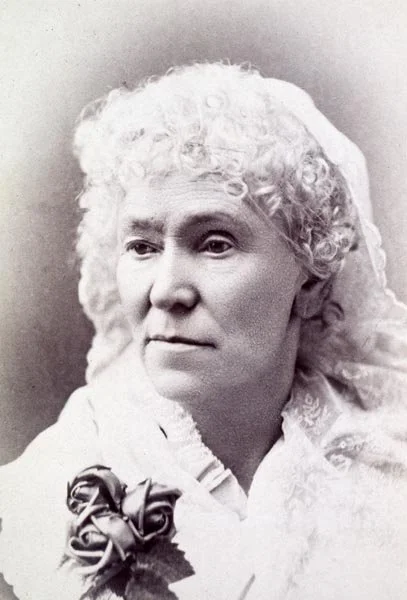
Matilda Joslyn Gage and her husband, Henry Gage, moved to Fayetteville in 1854. At that time, the house had been expanded to include the two-story columns that you can see across the front of the house. Henry ran a dry goods store, located on Mill Street at the current site of the Fred Astaire Dance Studio. Henry and Matilda were supporters of the Abolitionist Movement, both having grown up in houses that were active on the Underground Railroad. When Rev. Jermain Wesley Lougen, the leader of the Central New York Underground Railroad was looking for volunteers, the Gages was happy to offer their home as a stop as well. As Matilda said herself: “One of the proudest acts of my life, one that I look back upon with most satisfaction, is that when Rev. Mr. Lougen of this city went to the village of my residence to assert the names of those upon whom run-away slaves might depend for aid and comfort on their way to Canada, I was one of the two solitary persons who gave him their names. Myself and one gentleman of Fayetteville, were the only two persons who dared thus publicly defy “the law” of the land, and for humanity’s sake render ourselves liable to fine and imprisonment in the county jail, for the crime of feeding the hungry, giving shelter to the oppressed, and helping the black slaves on to freedom.” from The National Citizen and Ballot Box, May 1880.
Many people have heard of the Seneca Falls Women’s Rights Convention of 1848, but Matilda was not able to attend that event due to her pregnancy. She did, however, attend the 3rd Women’s Rights Convention, which happened in downtown Syracuse! She waited until there was a lull in the proceedings and got up to speak. “Let Syracuse sustain her name for radicalism!” In this first address, she spoke about the erasure of women’s work in society and asked for increased education and equal rights, not just the right to vote. This is when she started working with other leaders in the Women’s Rights Movement including Lucrecia Mott, Susan B. Anthony, and Elizabeth Cady Stanton. Matilda worked with these ladies for over 30 years, but broke away from the movement in 1890 with a merger ochestrated by Susan B. Anthony. There were two reasons for this seperation. First, she refused to join with the Sounthern Christian Democrats who wanted to keep black people away from the polls. Second, she would not cross the line of seperation of church and state which the women of the Christian Temperance Union were working to achieve. Their amendment would make christianity the state religion and as a Freethinker, Matilda did not believe this was right. She supported freedom of religion.
Matilda fought for voting rights at home as well. In 1880 the Fayetteville School Board elections offered two slates of School Board Trustees. One, suggested by the men, was made up of only men. The other, put forward by the women of the town, included Francis P. Carr, Helen Leslie Gage, and Fannie Ecker. The male slate took 63 votes. The female slate took nearly 200 votes.
The Fayetteville Recorder was quoted as saying, “The ladies have taught us something. I never saw such good organization. Every woman knew her job and kept at it.” The village was divided into sections, with nine carriages furnished to take voters to the polls. At the voting place, four ladies assisted the voters in registering and casting ballots. With Mrs. Matilda Joslyn Gage seated at the inspectors table, it is not surprising that, although there was considerable challenging from some men, all 102 women who came to the polls were able to vote.
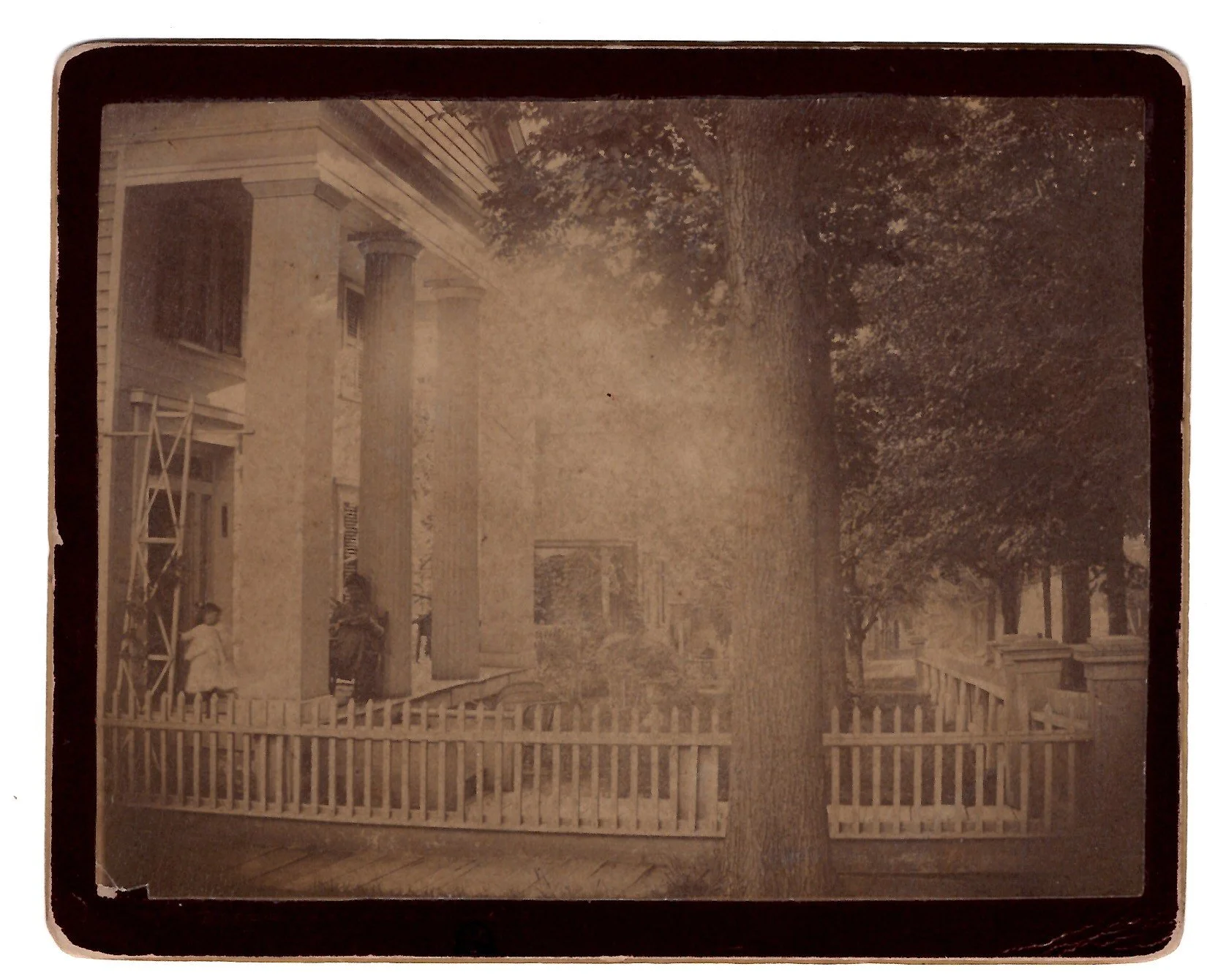
Home weddings were popular in the late 1880s. This was the location for the wedding of Matilda’s youngest daughter, Maud, and L. Frank Baum. Maud and Frank stayed in the house with Frank taking a number of pictures of the house, the grounds, and the surrounding area of Fayetteville. You can see those images below. After the passing of her husband, Henry, and the marriage of her children, Matilda was alone in the house. She would regularly close up the house in the winter and travel to see her family, usually Frank and Maud, to save of heating costs and have companionship. Frank and Matilda worked for women’s right to vote in the Dakota Territories, which ended up unsuccessful. Matilda would hear Frank telling stories to his four sons and the neighborhood children and implore him to write down those stories! He eventually did, publishing The Wizard of Oz in 1900.
In 1893 Matilda stood trial for voting. As we learn, the women of Fayetteville voted for school board elections in 1880. Thirteen years later, the State of New York was worried that this might open the door to women asking to vote in more elections. They used Matilda Joslyn Gage as a test case to have all women were struck from the voting rolls. This same year she published her book: Woman, Church and State. In her book, she spoke out against the patriarchy and the creation of a society where women were seen as to root of all evil, as preached by the christian church. The book was banned, with even her own neighbors speaking out against her. This same year she was also adopted into the Wolf Clan of the Mohawk, giving her an opportunity as an active voting member of the Haudenosaunee Confederacy while she still had no voice in the United States.
Matilda passed away in 1898 at the home of Frank and Maud Baum in Chicago, NY. She was cremated and brought back to Fayetteville to be laid to rest. She is buried at the Fayetteville Cemetary.
210 East Genesee Street
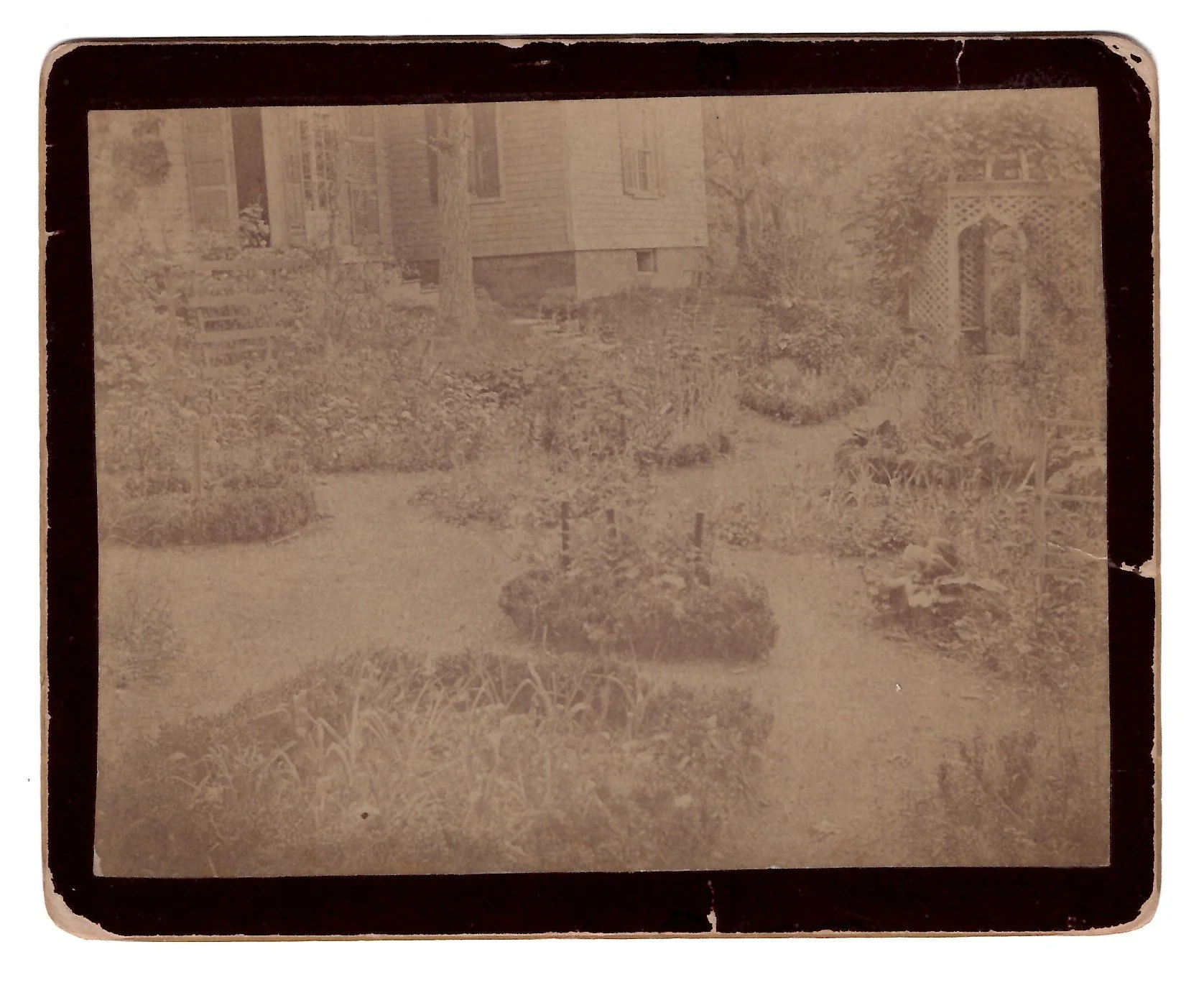
Gardens at 210 East Genesee Street
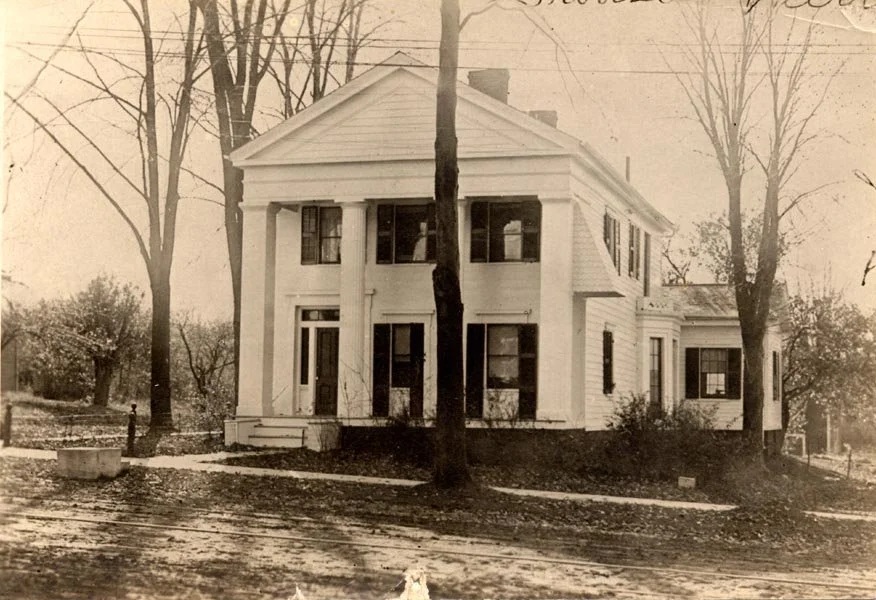
210 East Genesee Street
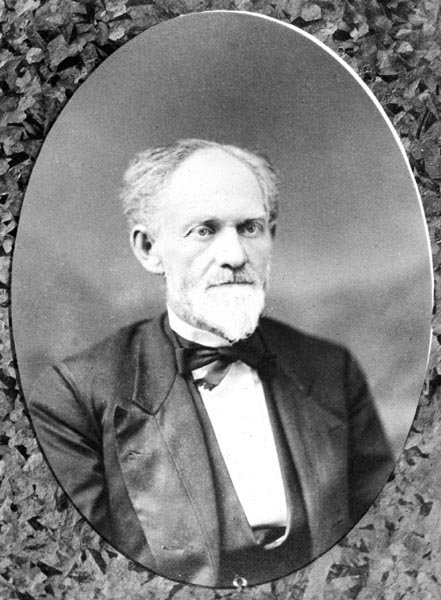
Henry Gage
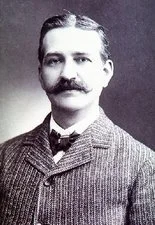
L. Frank Baum
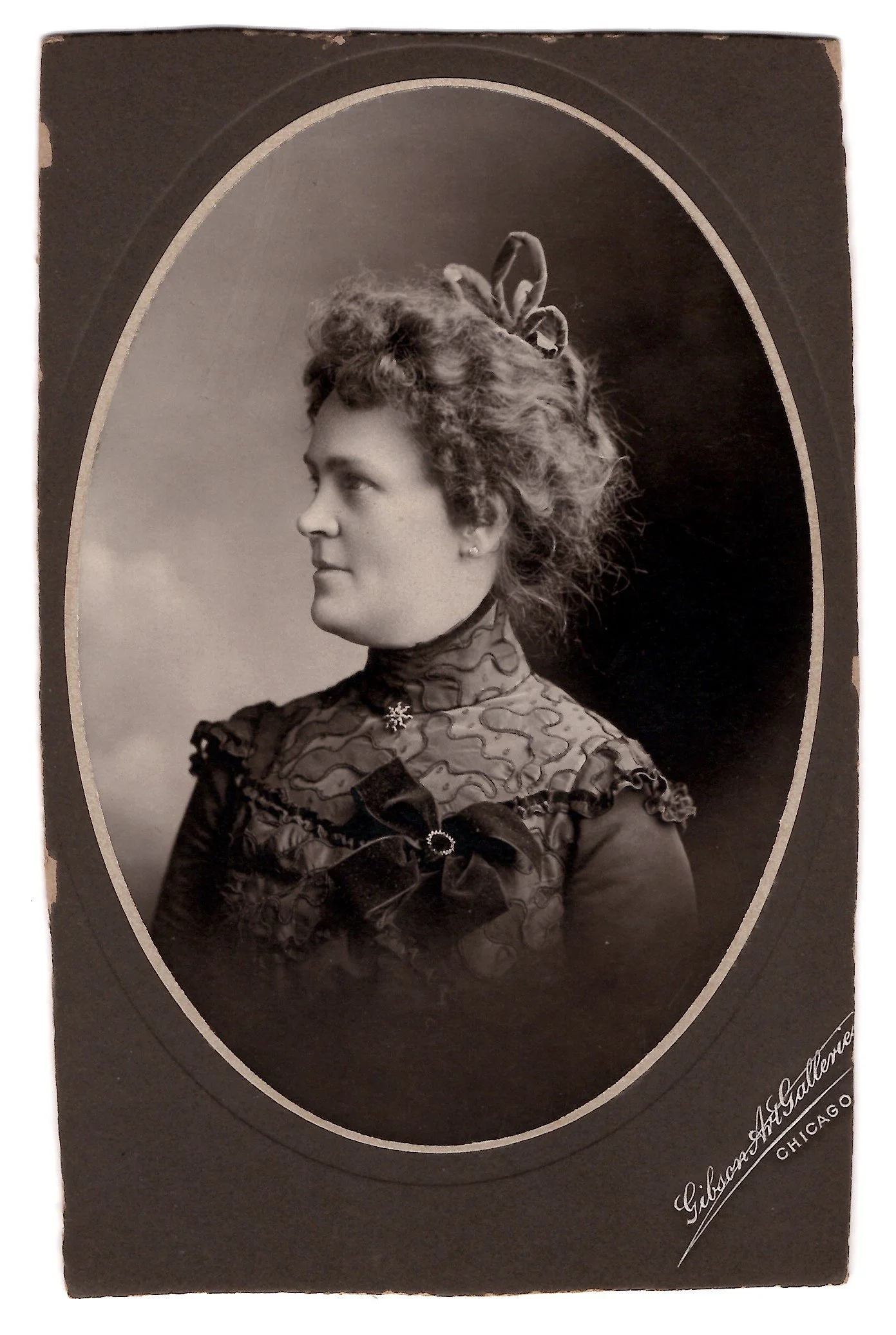
Maud Baum