Historic Tour of Fayetteville, NY
WELCOME! This is an interactive tour of the Village of Fayetteville that can be used for walking, driving, or learning at home.
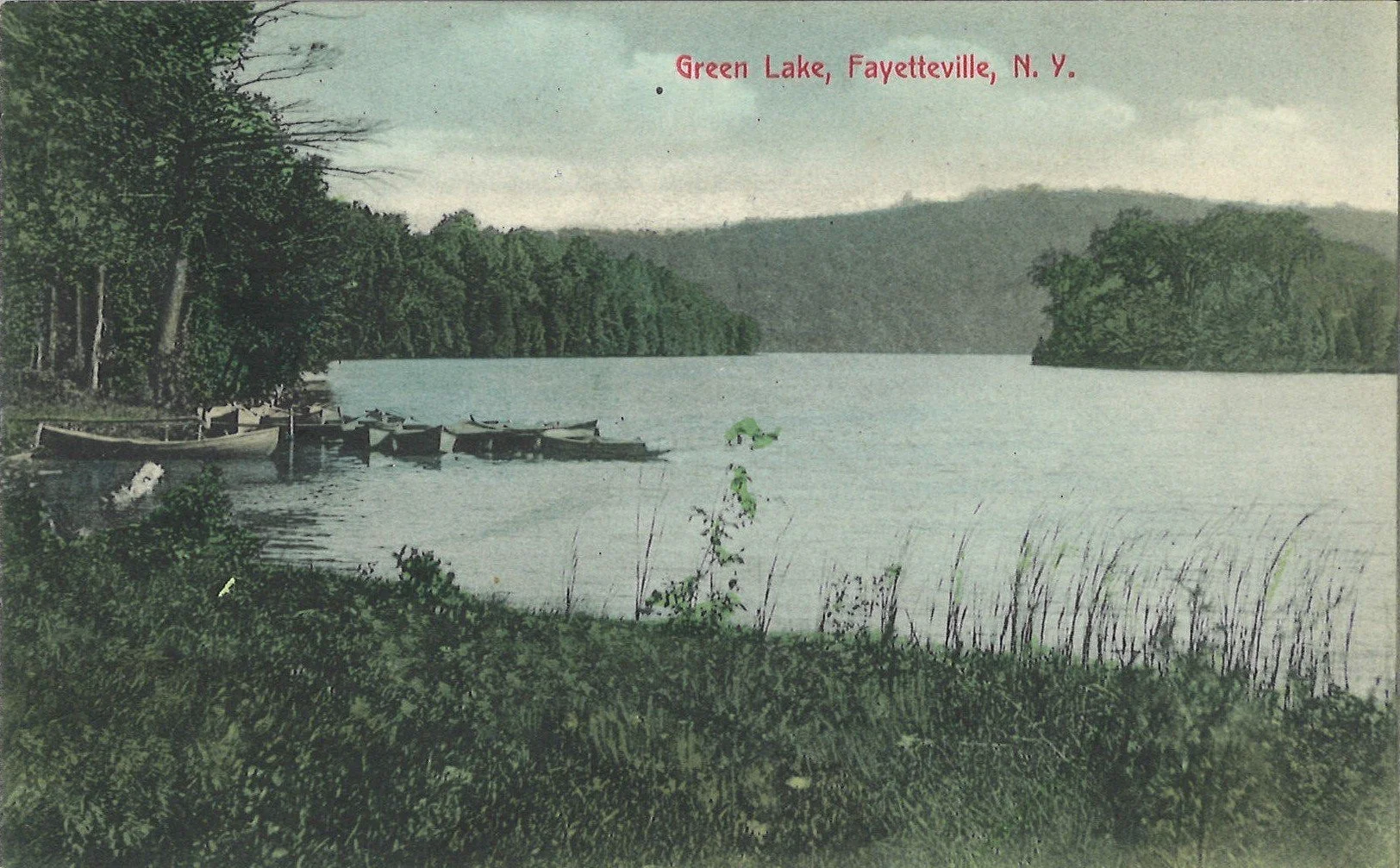
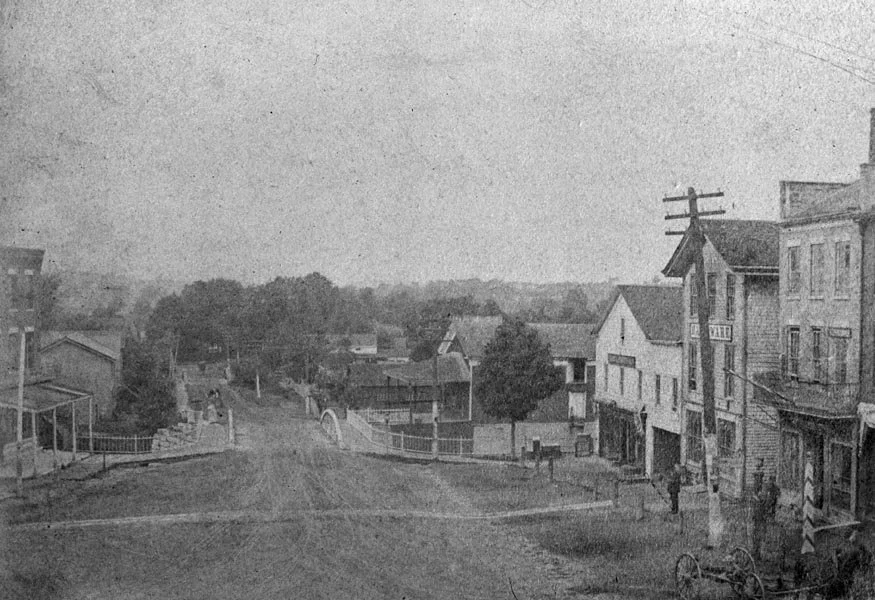
Fayetteville, New York has been a center of trade and business since the first white settlers arrived in 1792. "A thriving and beautiful village" was the way the New York Tribune described it in 1876 at the height of the trade generated by the Erie Canal. The name "Fayetteville" was chosen to honor the hero of the American Revolution, Marquis de Lafayette when the village was incorporated in 1844.
Tour Stops
-
Home of erased suffragist from 1854 - her death in 1898, this house was a meeting hub for abolitionists, suffragists, and activists of the day. This was a stop on the undergraound rairoad, ferrying freedom seekers to Canada. The front parlor hosted the wedding of L. Frank Baum and Matilda’s youngest daughter, Maud.
-
The Fayetteville Free Library was created through a grassroots movement within the women of the community to create access to books and education.
-
Gustav Stickley was a leading figure in the American Arts and Crafts movement. He believed furniture should be simple, honest, and built to last. His personal motto, “Als Ik Kan,” meaning “to the best of my ability,”
-
Learn how this community space came to be.
-
The power that drove this village still runs through the middle of our lives.
-
109 Academy Street
Did you know that Fayetteville was the boyhood home of President Grover Cleveland? -
114 East Genesee Street
Home of Robert Crouse and Ellen Beard, the village’s first library, and a school for domestic science. This was a site of many important moments in village life. -
305 East Genesee Street
This home was a hub for Abolitionist activity in the center of the Village. -
584 East Genesee Street
Now known as the Fayetteville Center for Active Adults, this tour stop also hosts a Haudenosaunee mural by Brandon Lazore.
Questions? Comments? Share!
This is a joint project between the Matilda Joslyn Gage Foundation, the Fayetteville Free Library, the Village of Fayetteville, and the Central New York Library Resources Council. We would like to thank the private home owners who joined this first venture!
Our goal is to make this virtual walking tour as engaging and inclusive as possible. Please share your thoughts, experiences, and suggestions as we grow the project.