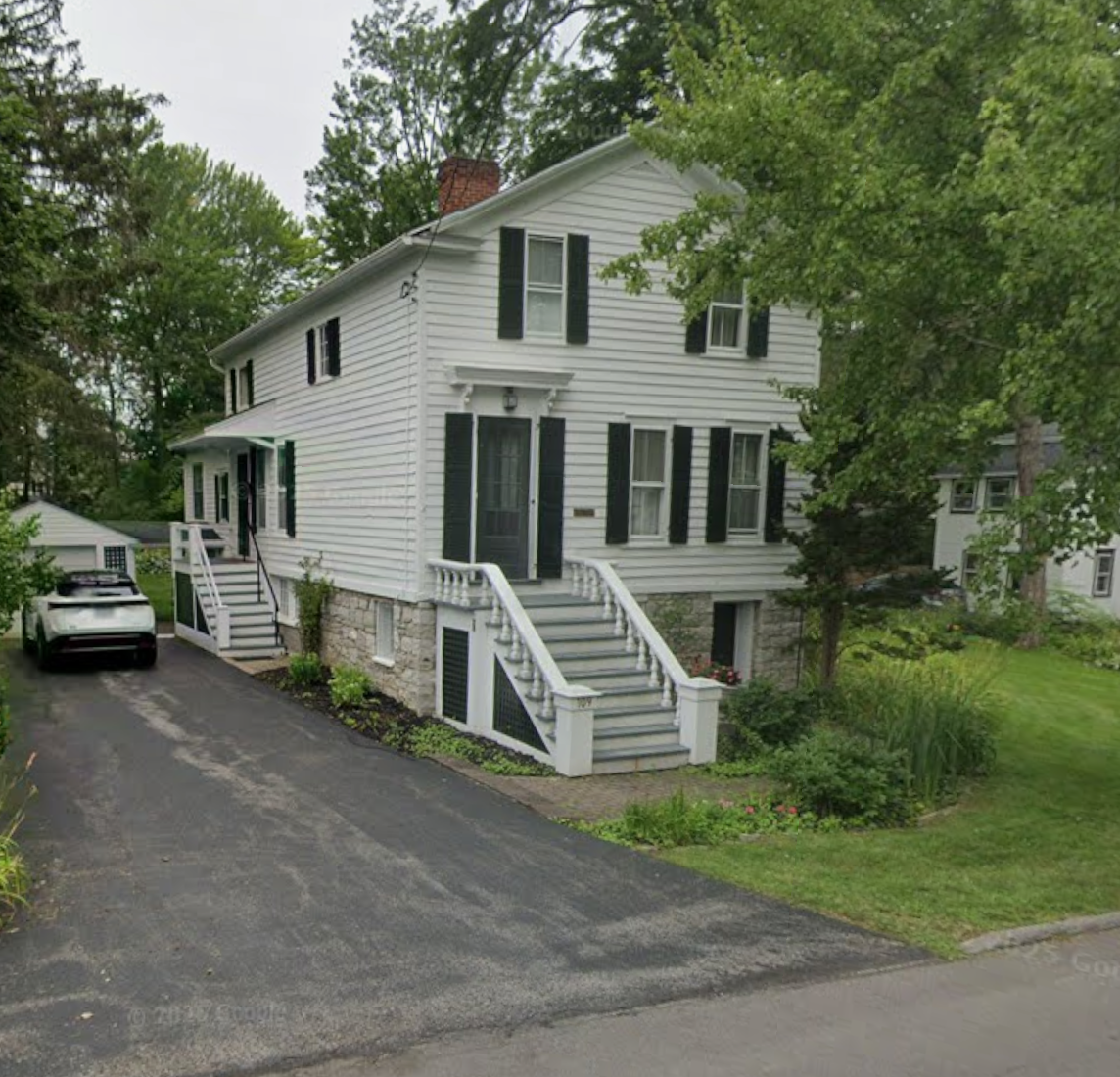
Grover Cleveland’s Childhood Home
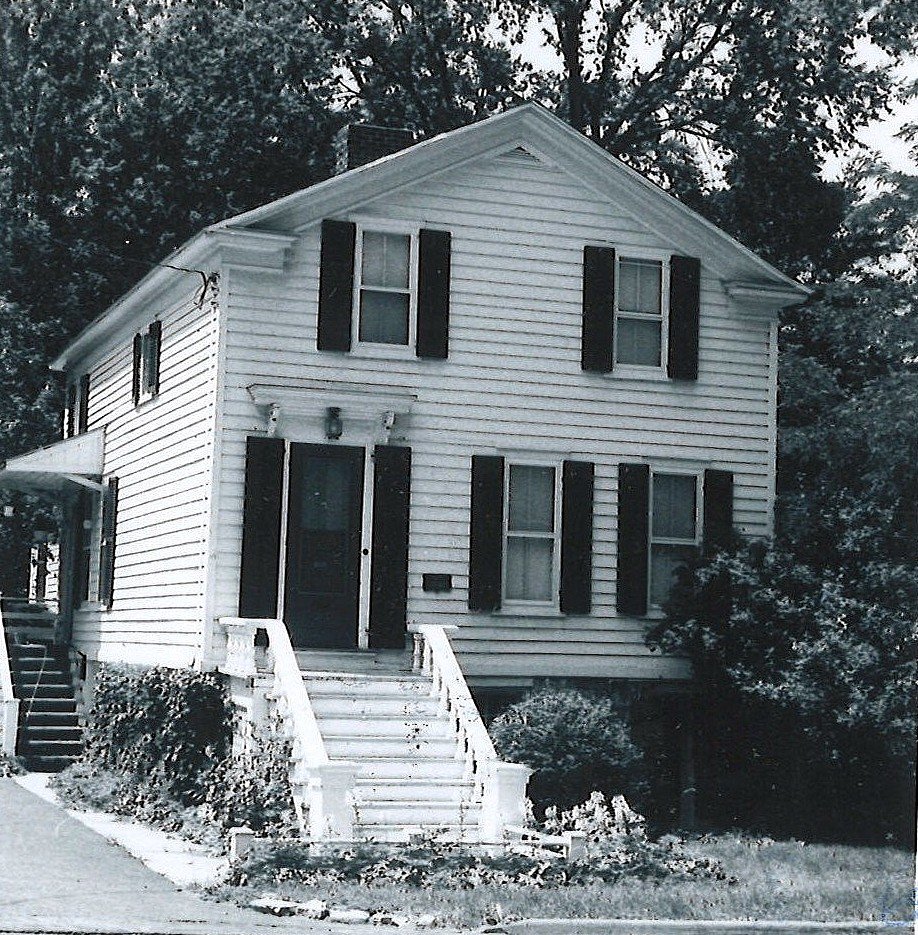
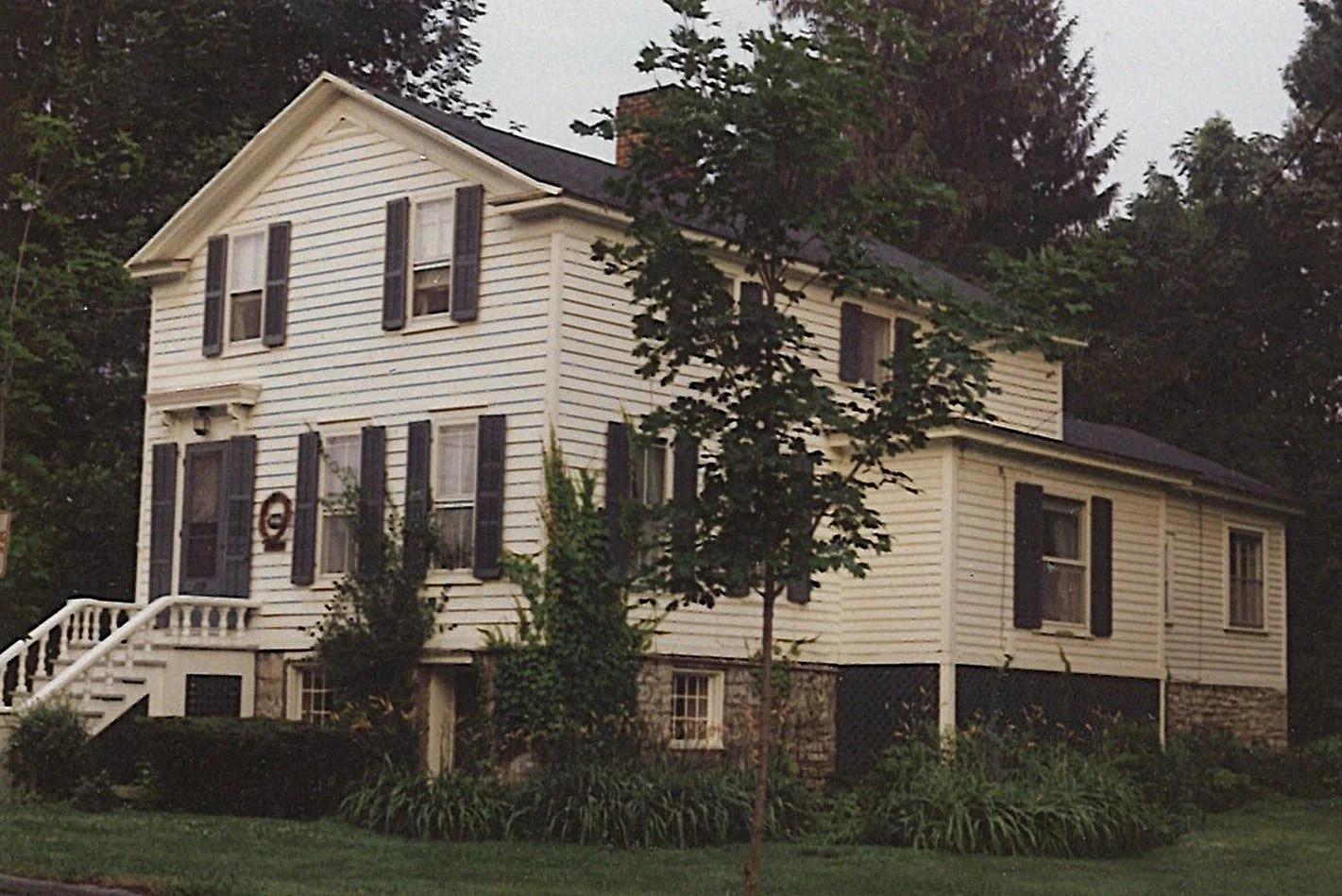
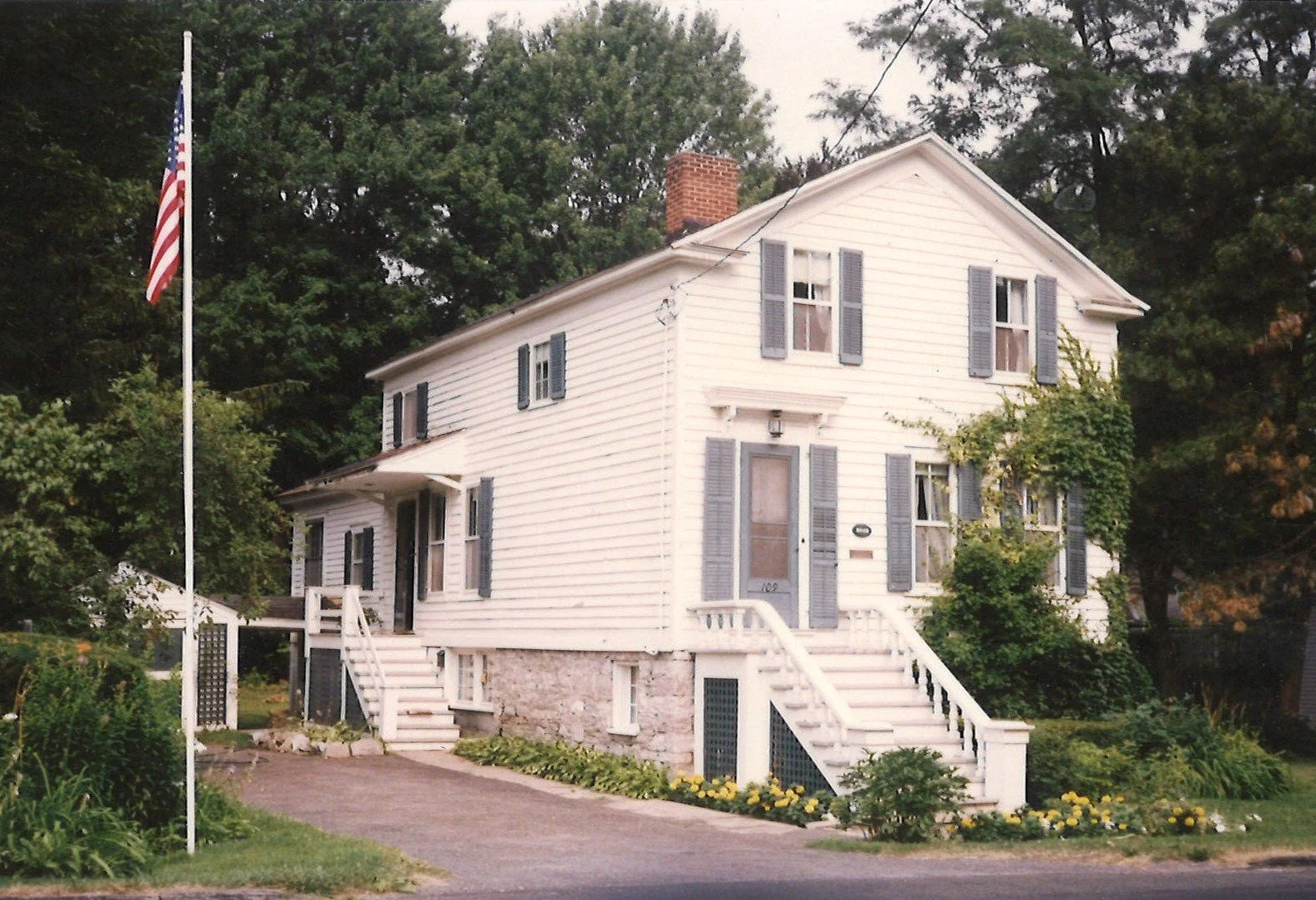
109 Academy Street
Architecture
This private home is a classic Greek Revival / Village Colonial structure typical of early 19th-century Central New York architecture. According to the most recent real estate listing, the property spans 1,576 square feet. The 2-story residence is situated on a 0.42-acre lot featuring mature gardens and a detached garage. Inside, it retains distinct historic details alongside its hardwood flooring and original hardware, while featuring a semi-finished raised walk-out basement.
History
The house was built in 1841 with the arrival of the new Presbyterian minister, Rev. Richard Cleveland, and his family. The Presbyterian Church was located at the current location of the United Church of Fayetteville. The Clevelands had nine children. According to presidential biographer Jeff C. Young, “Cleveland had his family live a frugal and inextravagant lifestyle, motivated by religious piety and also by his meager salary (never more than $1,000 per year). He was a strict Sabbath keeper, requiring his children to devote the entirety of Sundays to worship and prayer.” This could not have sat well with his pankster sons. Young Steve, someday to be President Grover Cleveland, and his brother were fond of attaching a cord to the school bell at the Fayetteville Academy across the street from the house and pulling it frantically at night. He also allegedly, with help from other boys, once lured “an energetic bull calf” into the school’s basement which “butted” the principal “all over the room.” The Cleveland Family left Fayetteville in 1850 for a new post and the home was sold. It has been provately owned since.
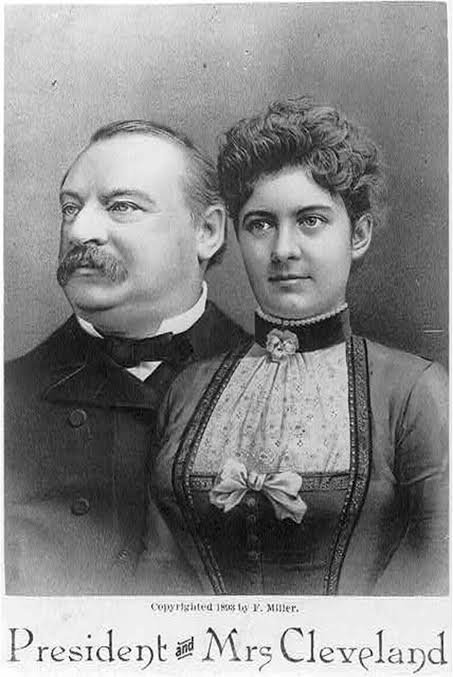
During his time in office, Cleveland helped usher in the beginning of federal regulation of commerce. Further, he fought against what he saw as private abuses of federal money. He was known for acting upon his own conscience despite opposition within his party. He was the first and, so far, only president to be married in the White House. He and his wife, Frances Folsom, were married in the Green Room. He is also the first non-consecutive seated president of the United States, serving two terms from 1885-1889 and then 1893-1897. Although Steven Grover Cleveland grew up in Upstate New York, he was not convinced by the Women’s Vote argument and never supported it.
President Cleveland returned to Fayetteville and his childhood home during a visit on July 19, 1887. As Syracuse.com explains, although he was then living then in a far more famous white house, Cleveland could not help but become emotional when he returned to his boyhood home. Making his way through the village, Cleveland and the presidential party made a special detour down Academy Street. His boyhood home was decorated with patriotic bunting and a large star made of white and red roses. “I find myself in a place above all others dear to me at the present time,” Cleveland a crowd of 1,000 people later in a spontaneous speech. “It was here that I enjoyed every pleasure, sport, and pastime of boyhood.” He told his audience that he remembered “Green Lake and the fish that I tried to catch and never caught and which I suppose are there today.” Cleveland promised to return to Washington and “perform my duties so as to receive the approbation of the people of Fayetteville, my oldest and best friends.”
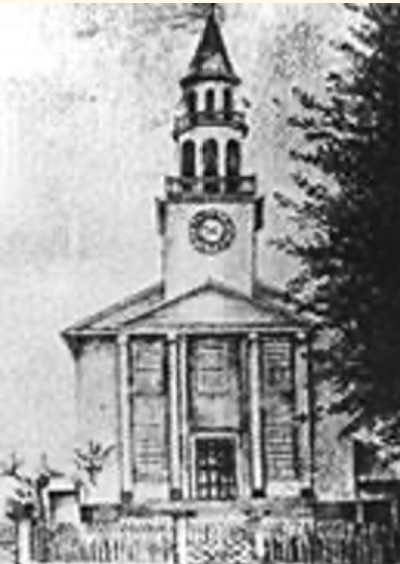
The Presbyterian Church was located at the current site of the United Church of Fayetteville.
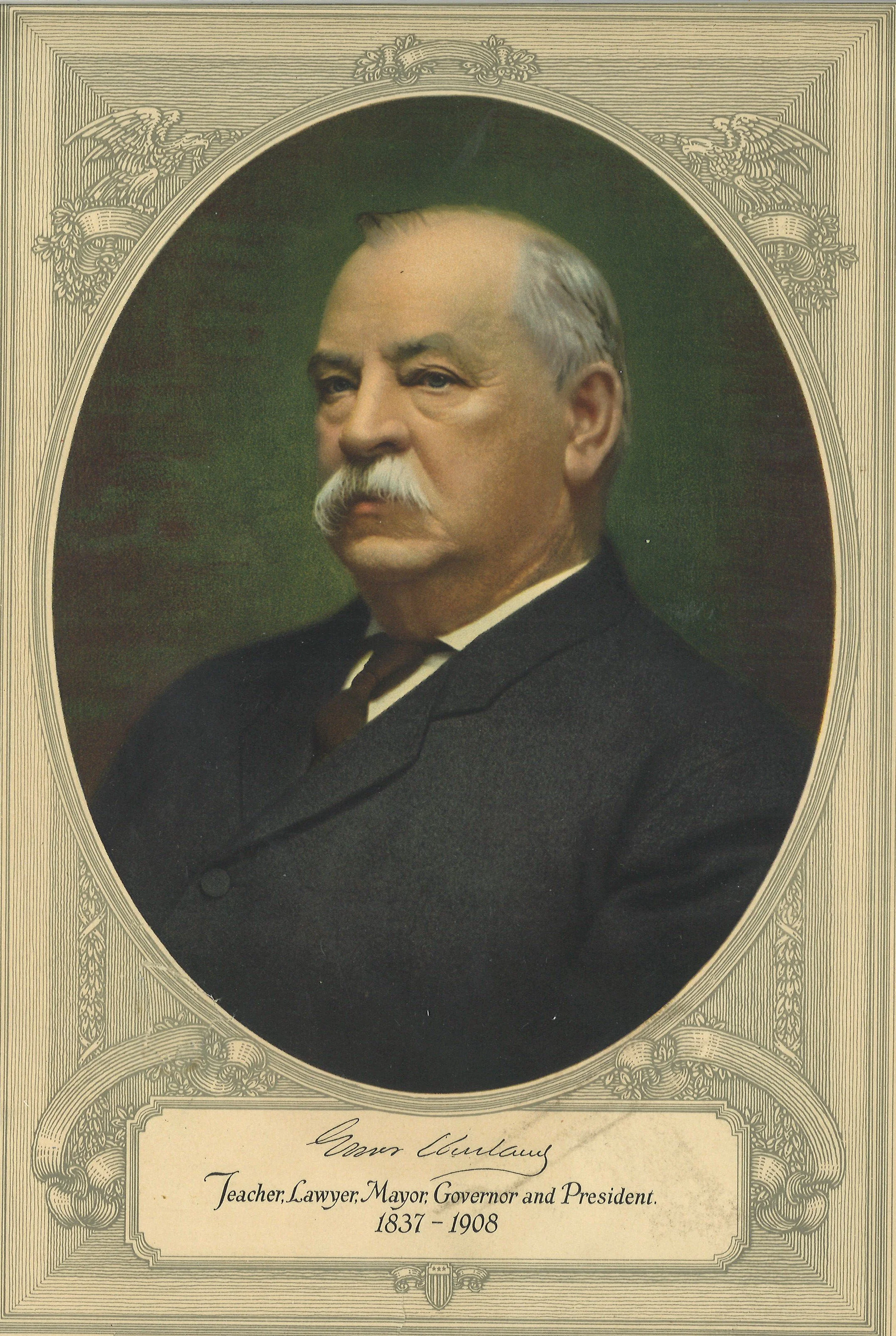
President Grover Cleveland
109 Academy Street
109 Academy Street
109 Academy Street