Stickley Museum
300 Orchard Street
At the turn of the twentieth century, Gustav Stickley emerged as a leading figure in the American Arts and Crafts movement. He believed furniture should be simple, honest, and built to last. His personal motto, “Als Ik Kan,” meaning “to the best of my ability,” reflected this philosophy. Stickley shared his ideas through The Craftsman magazine, where he promoted good design and a simpler, more meaningful way of life.
Born around 1857 in Wisconsin, Stickley grew up in a large family. After his father left, the family moved to Pennsylvania, and in 1893 he relocated to Syracuse, New York. He learned the furniture trade by apprenticing with his uncle and later worked for several furniture companies. A trip to England in 1898 profoundly shaped his design philosophy. A few years later, he founded the Gustav Stickley Company in Eastwood, working out of the Craftsman Building, which also became the headquarters for The Craftsman magazine.
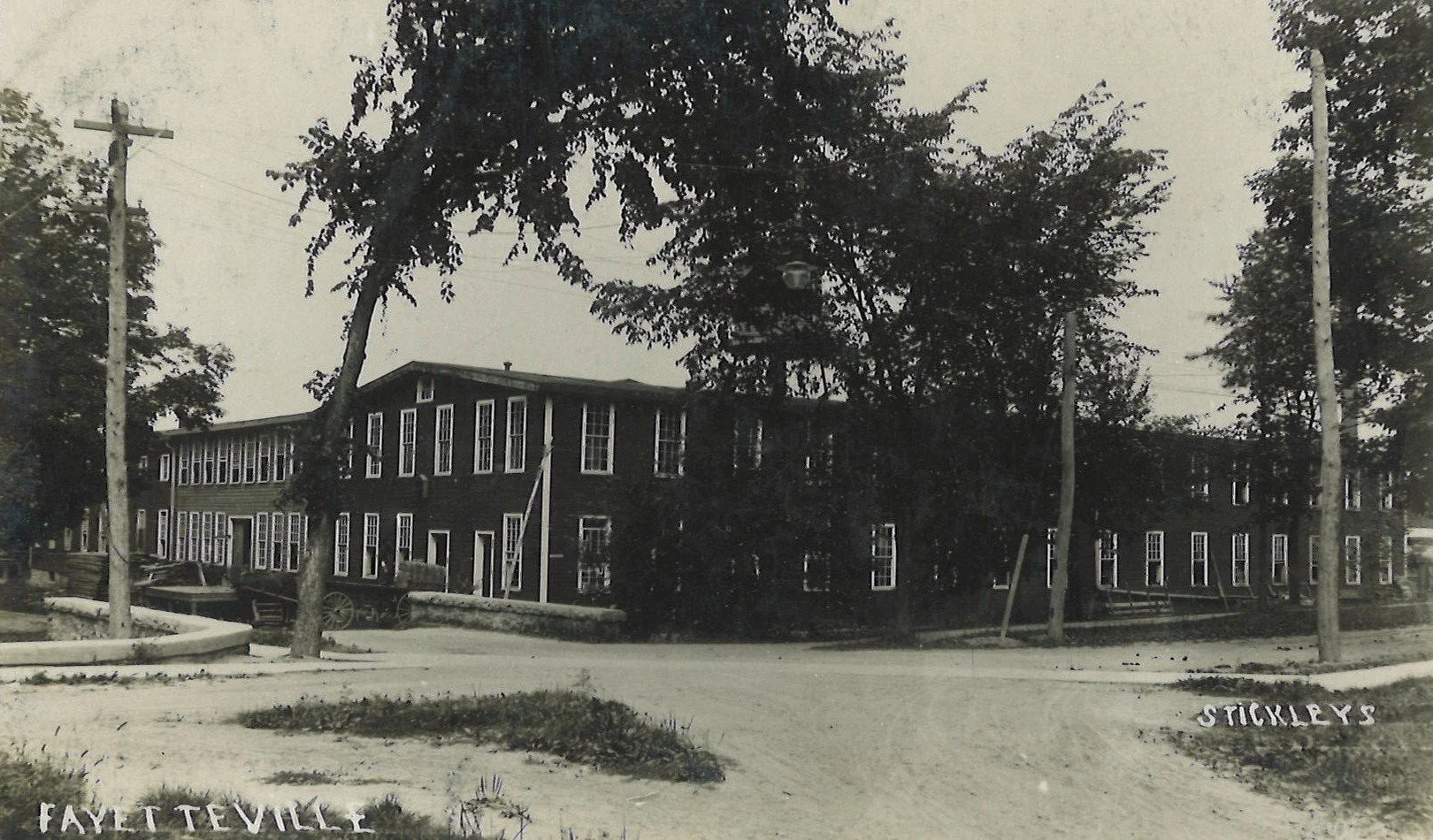
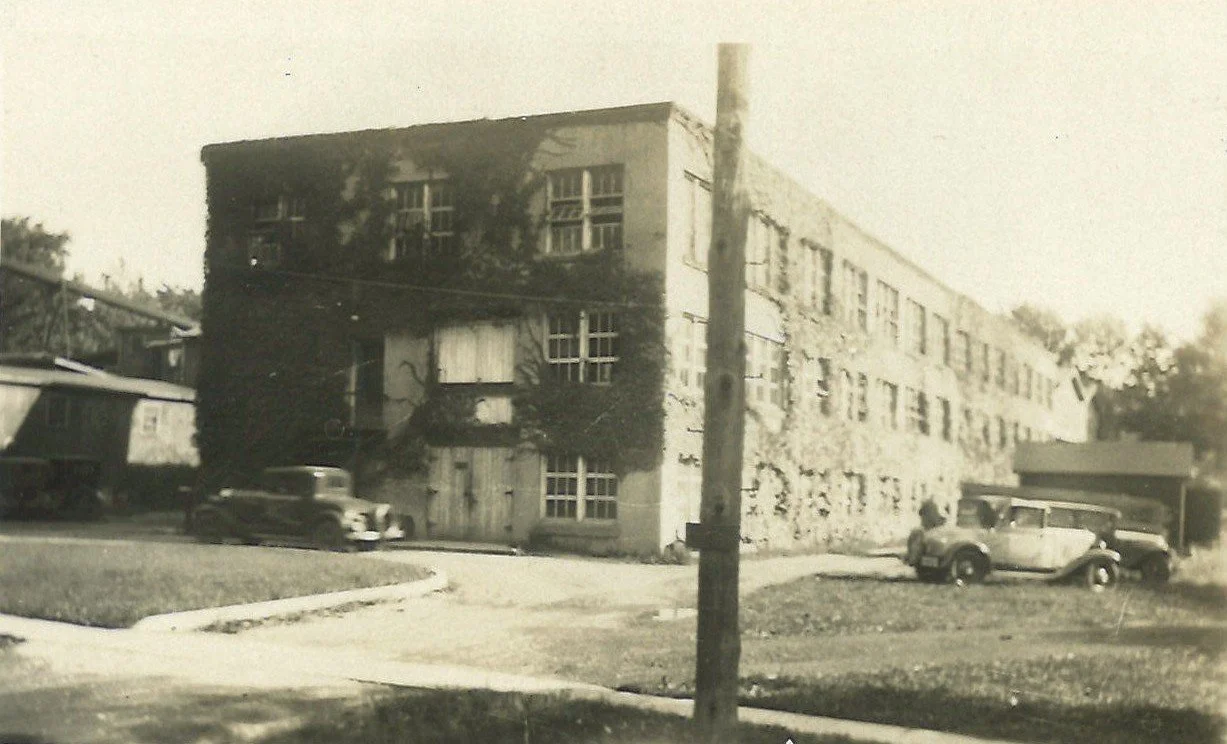
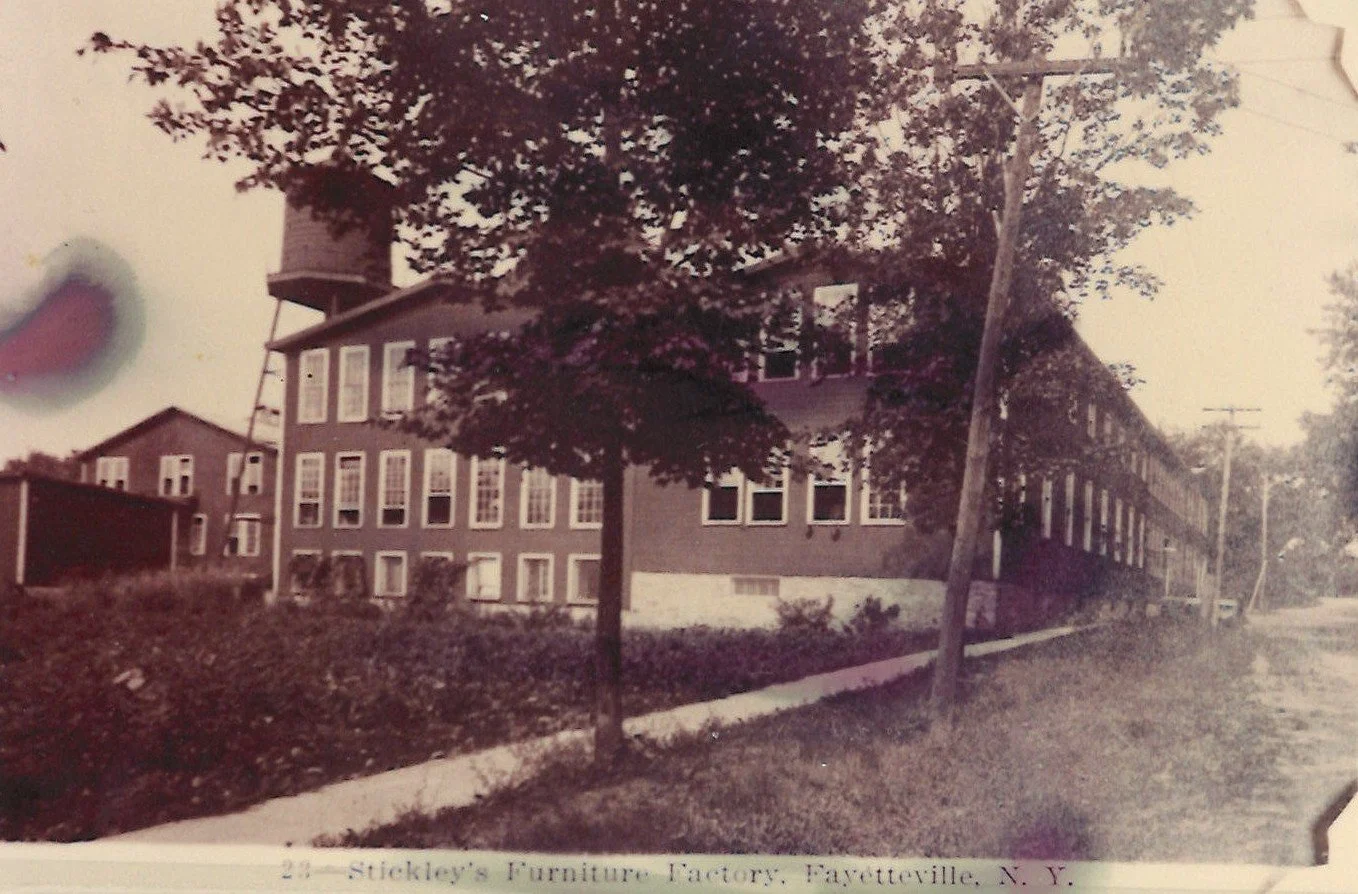
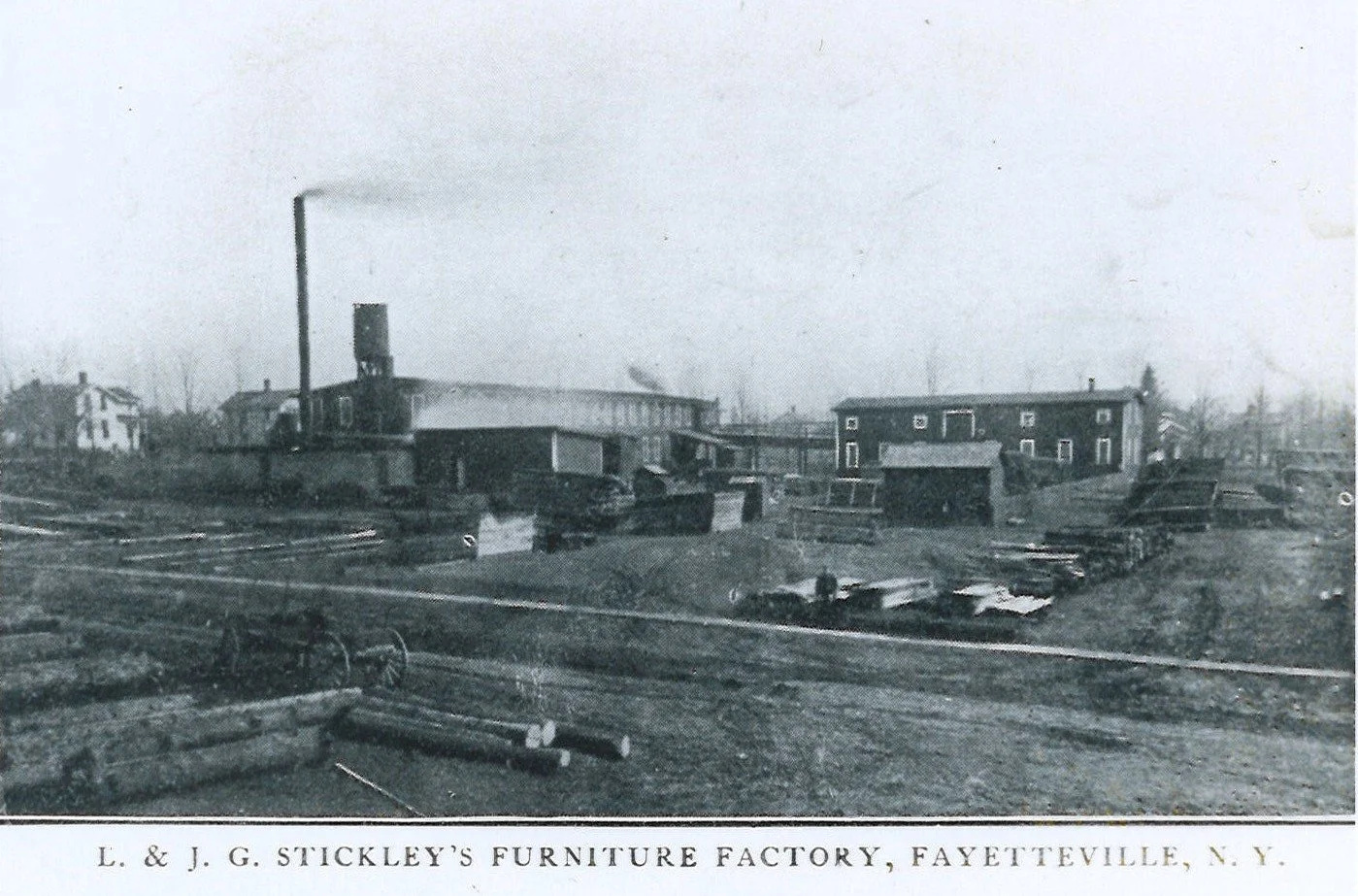
The Stickley brothers all left their mark on the furniture world. While Gustav worked in Syracuse and later New York City, his younger brothers Leopold and John George left the Craftsman Building and, in 1900, opened the L. & J.G. Stickley Company in Fayetteville, New York. They purchased an existing factory near the Ledyard Canal, which had been water-powered long before their arrival. Around 1910, they expanded the factory with a west-wing addition.
Leopold Stickley traveled throughout New England, Pennsylvania, and Europe, bringing back ideas that influenced the company’s designs. Much of their furniture was made from local wood, including Adirondack black cherry. The factory itself was a close-knit community, where the smell of home cooked meals often filled the air as workers warmed lunches brought from home.
By the mid-1900s, L. & J.G. Stickley employed about 145 workers and had become one of the most respected furniture companies in the nation. When Leopold died in 1957, he was honored as the “revered Dean of Cabinet Makers.” His wife, Louise Stickley, continued to uphold the company’s high standards of quality and craftsmanship.
From 1923 to 1989, the company stopped producing Mission-style furniture and over time, sales declined. In 1974, during a difficult period, Alfred and Aminy Audi of Fayetteville purchased the struggling L. & J.G. Stickley Company. Alfred Audi had long admired Stickley furniture, and his father, E.J. Audi had once partnered with Leopold Stickley in a Manhattan showroom. When the Audis took over, sales were under $250,000, and the factory employed only about two dozen workers.
The Audi family revived the company. They rehired former employees, expanded the workforce, and reintroduced classic designs. In 1989, they brought back Mission-style furniture, sparking renewed national interest. One of their most popular pieces was “Leopold’s Old Chair,” based on Leopold Stickley’s favorite design. The company also reissued collections such as Colonial Revival and Cherry Valley, which had once been sold in E.J. Audi’s New York City showroom.
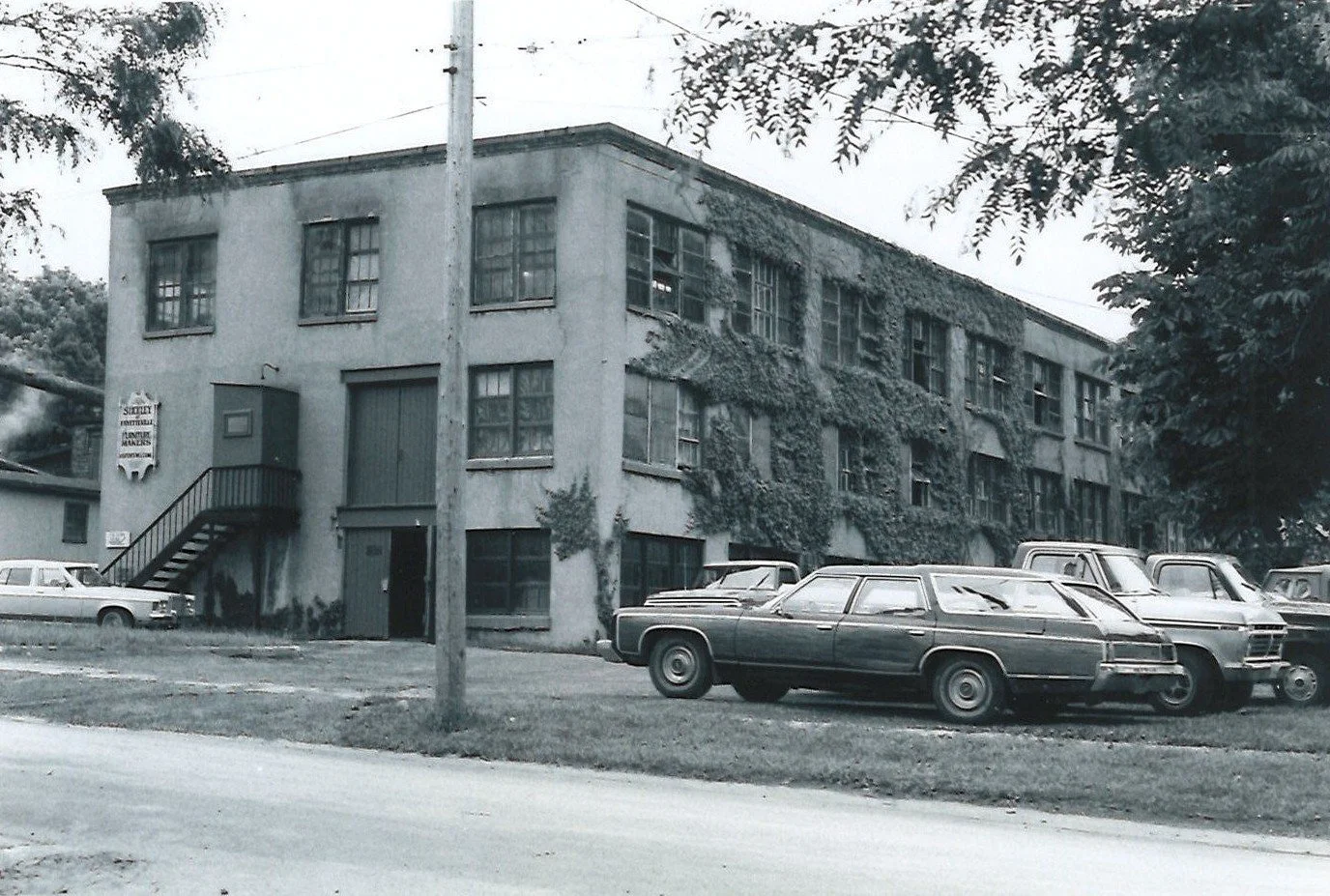
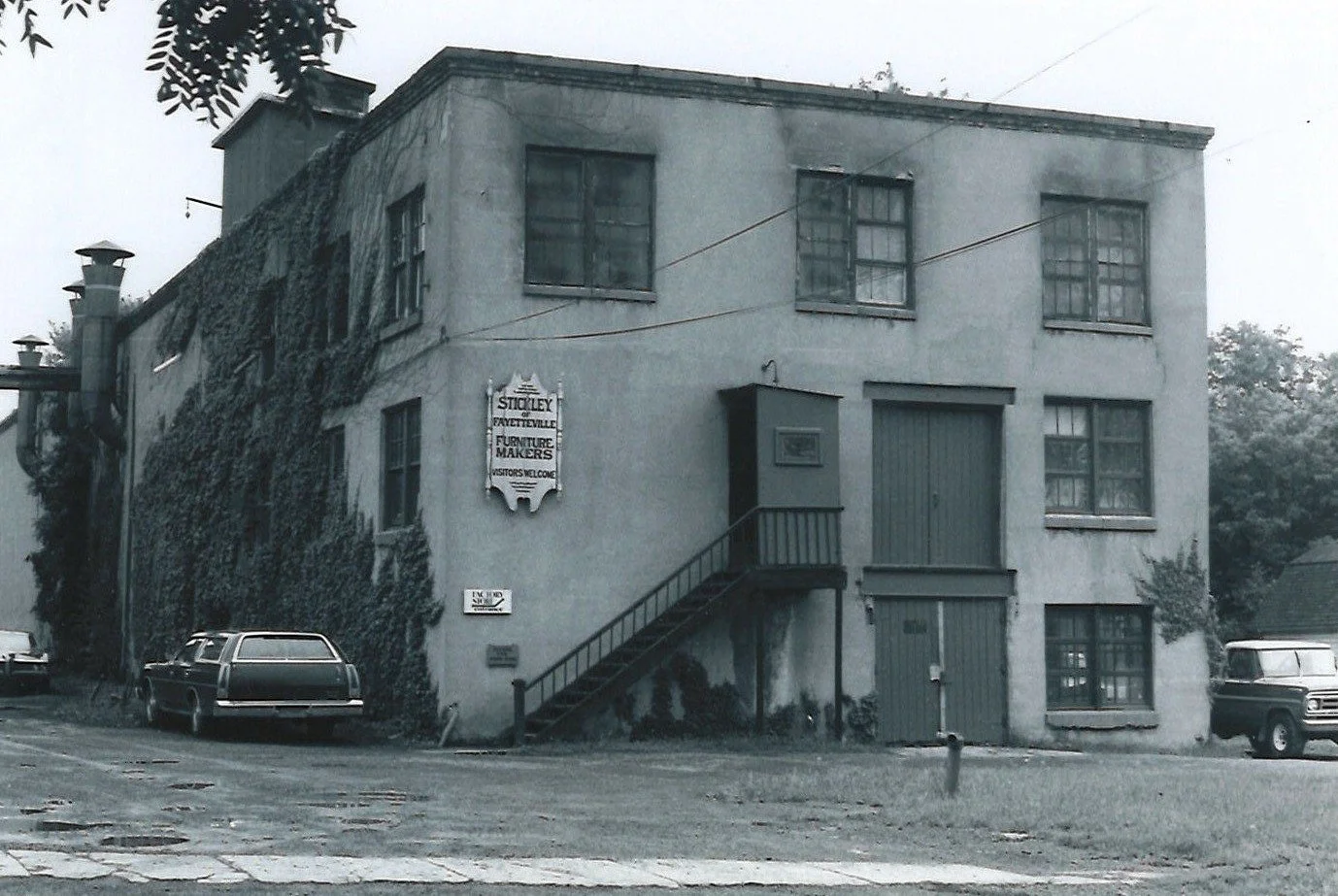
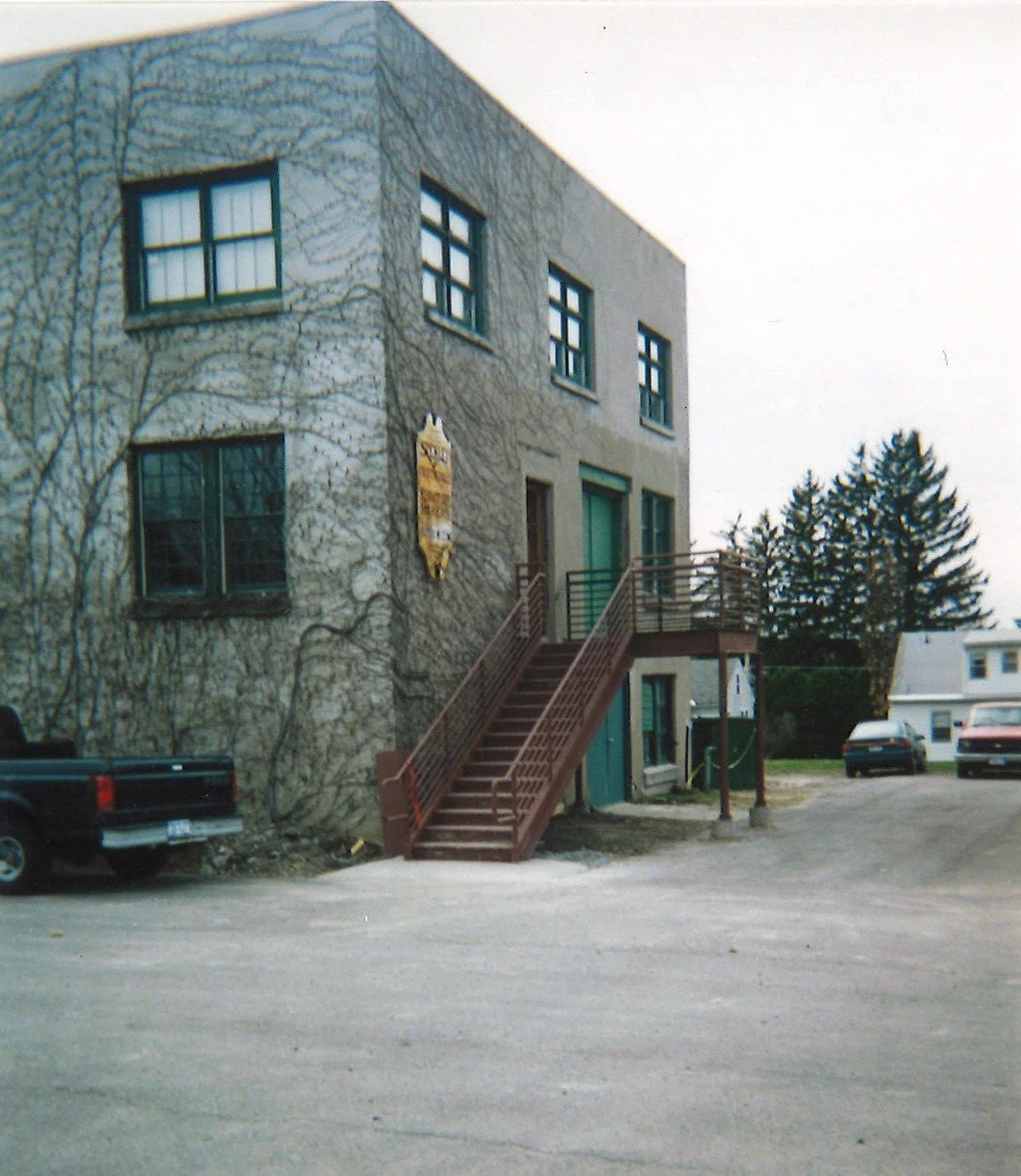
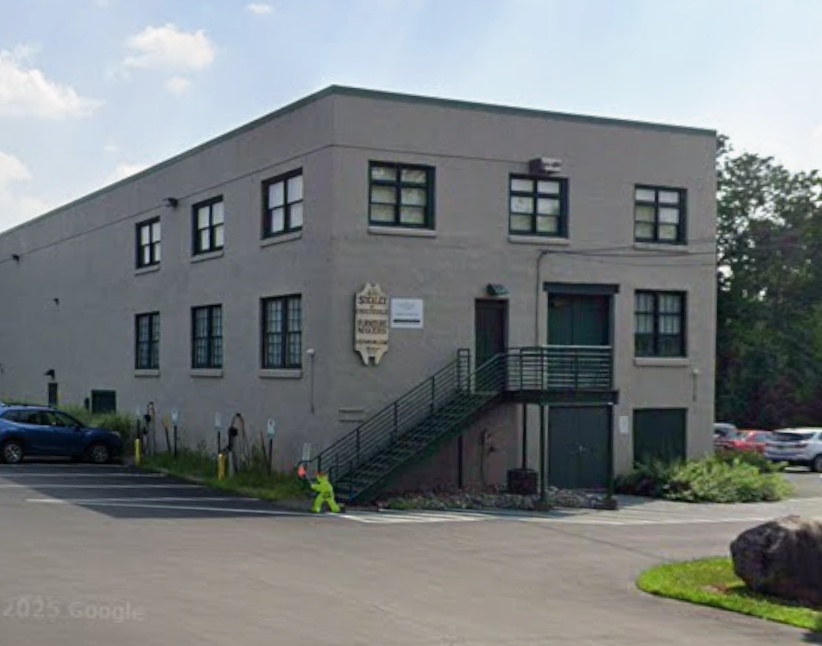
After more than 125 years of furniture production, a fire in the 1980s forced Stickley to move manufacturing to Manlius, New York. The original Fayetteville factory closed in 1985 and now houses the Fayetteville Free Library and the Stickley Museum.