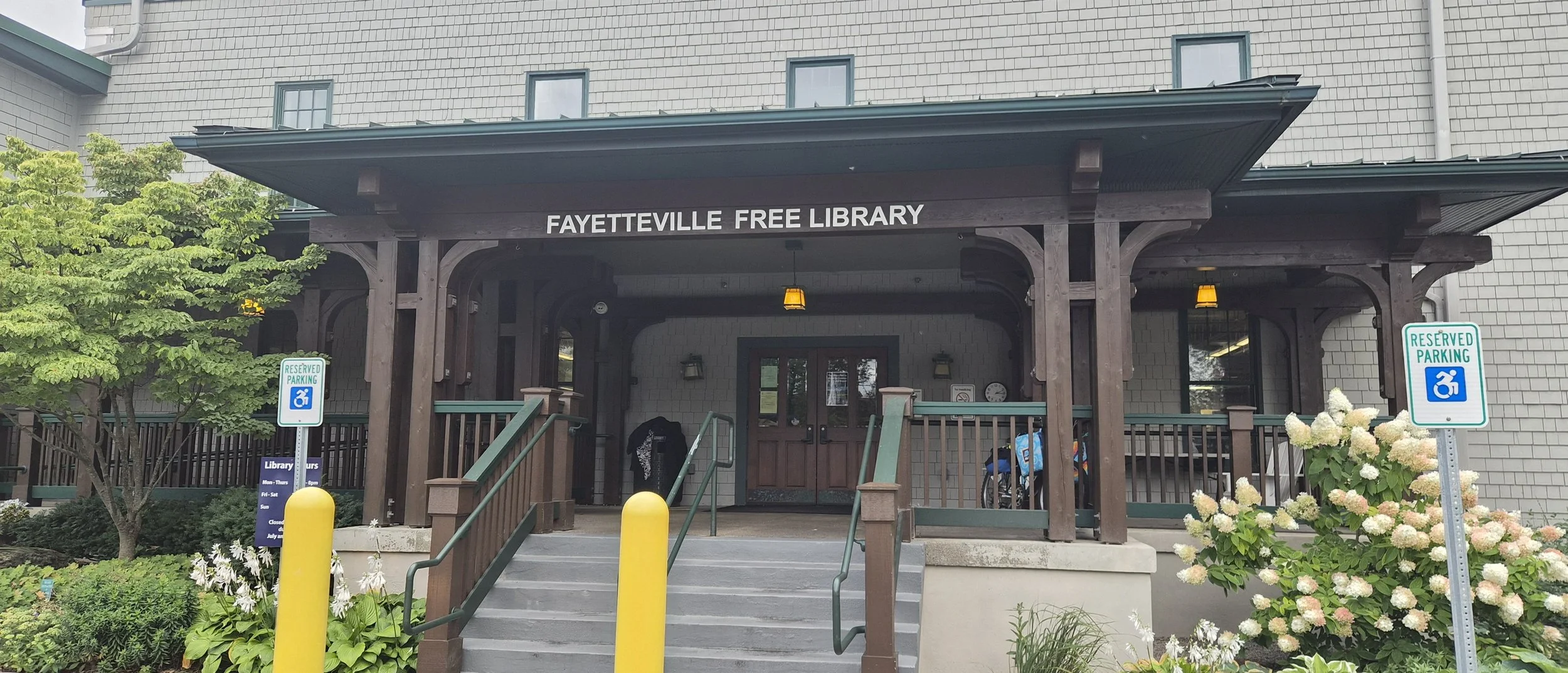
Fayetteville Free Library
300 Orchard Street
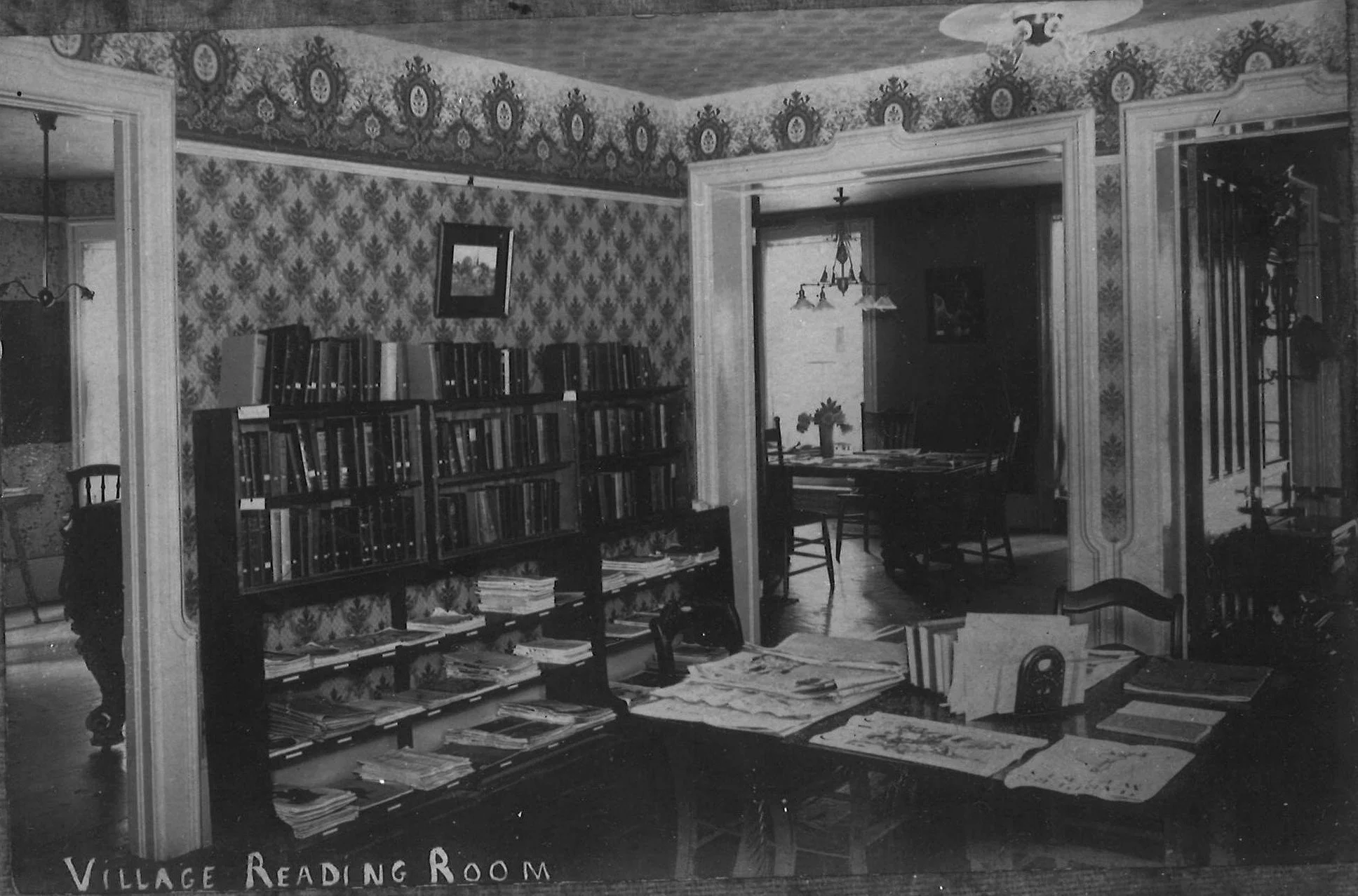
Before the Fayetteville Free Library existed, locals gathered at the home of Huntington Beard (now the Masonic Temple on Genesee Street) to exchange books and nurture a shared love of reading. That same spirit carried into October 23, 1906, when fifty residents met at the home of Mrs. Robert Crouse, to consider creating a public reading room, and within a month, the group organized a subscription-based reading room, sharing their own periodicals with the community. Fayetteville local, Miss Emma Beard was the one who initiated the idea of a “Reading Room” and proposed the home of Mrs. Robert Crouse on 114 Genesee St. was the ideal location. Membership cost fifty cents at that time.
The reading room’s first books arrived as a traveling library of 100 volumes from Albany, NY, soon supplemented by additional titles from the New York State Library. The collection grew rapidly, and children’s services were added early on.
The institution developed strong ties with the State Education Department in Albany and became an official distribution point for state publications, including materials from Cornell University and the College of Forestry in Syracuse. In 1911, the Board of Regents granted the reading room a permanent charter. With this milestone, the subscription fee was eliminated and the name officially changed to the Fayetteville Free Library.
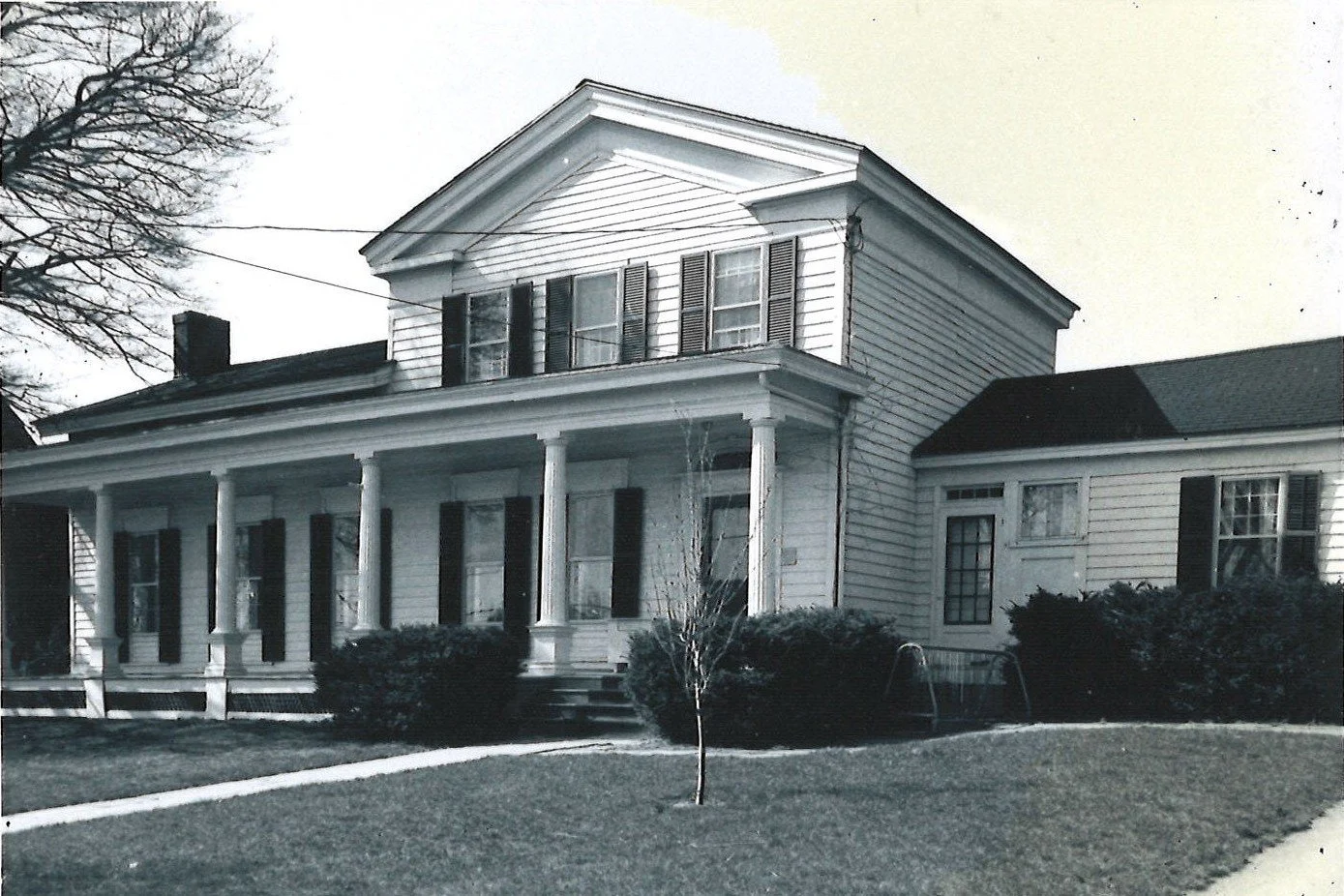
By the early 1920s, Fayetteville’s library had outgrown its modest quarters. On September 23, 1922, the Board of Trustees purchased the John McViccar home on Genesee Street. The choice carried special meaning: Harriet T. McViccar, whose family home now became the library, had been one of its founders and the very first librarian, serving from 1906 to 1910 at a wage of twenty‑five cents an hour.
Emma Beard, continued to influence the library’s evolution. Some local historians credit her as the guiding force behind what became the second‑generation Genesee Street library.
The library was funded by the Fayetteville‑Manlius schools and the villages of Fayetteville and Manlius, with major renovations made possible by two anonymous community gifts. The 1810 McViccar building has undergone many updates, including a 1968 addition and a 1992 renovation that made it fully wheelchair accessible.
Inside, craftsmen contributed furniture to the new location. While Leopold Stickley donated a small table and benches for the children’s room, Peter Hansen, a designer for the Stickley firm, created the main desk and tables, giving the library a distinctive Arts‑and‑Crafts character. The unusual and innovative design of the magazine rack of Hansen’s was admired widely enough that other libraries later copied it.
As Fayetteville’s population grew and library services expanded, the McViccar building could no longer meet the community’s needs, and by the late 20th century, it was clear that a larger, more adaptable space was essential.
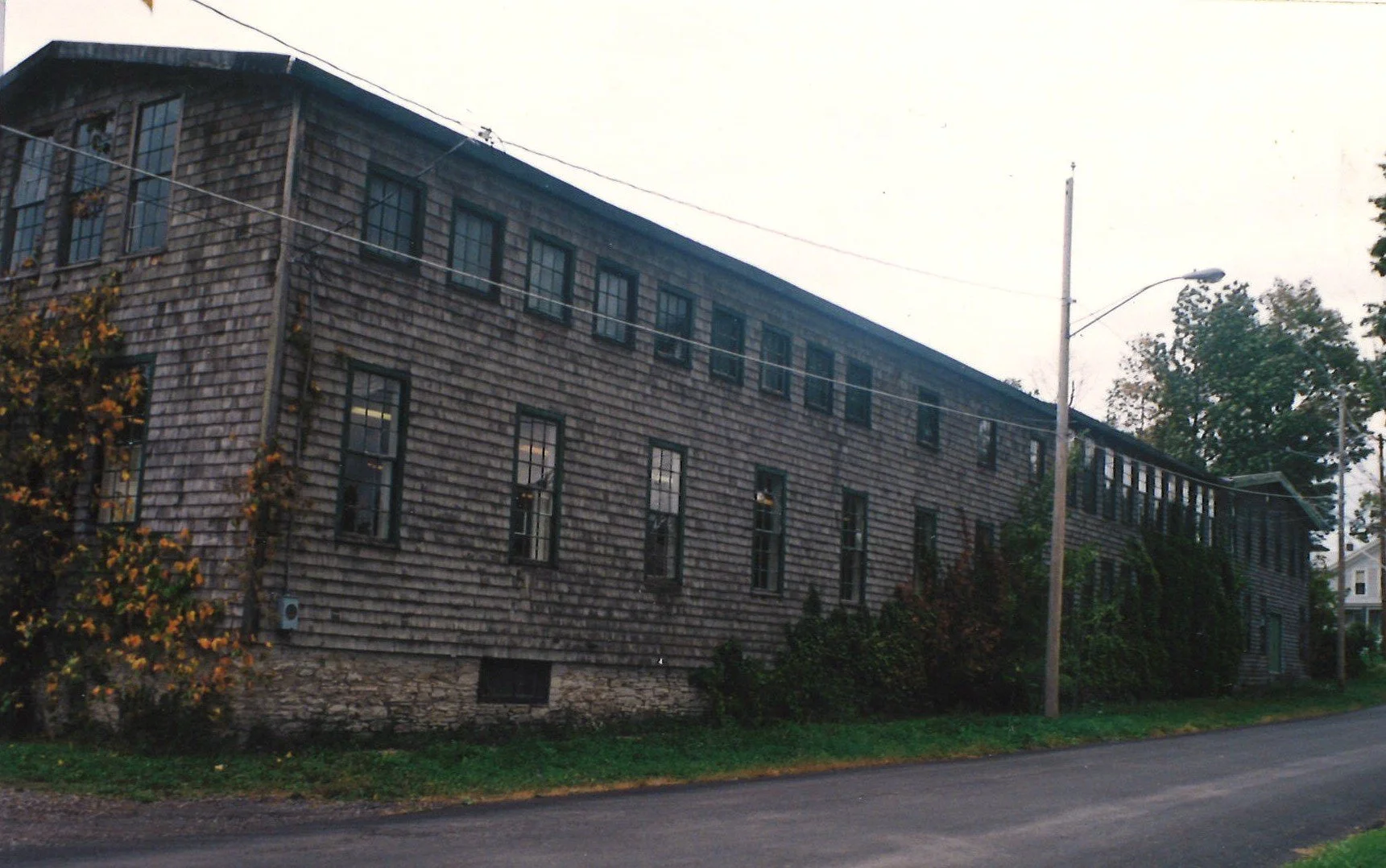
To meet these demands, the Fayetteville Free Library purchased the former Stickley Furniture Factory, marking the library’s third major home. The move brought the library to 300 Orchard Street, a site where Leopold Stickley had crafted furniture for years.
The library’s growth and innovation did not go unnoticed. In 2001, the Fayetteville Free Library was ranked fifth in the nation among libraries serving populations between 5,000 and 9,999. Just one year later, it rose to second place in its class, placing it among the top twenty libraries in the United States.