Linnaeus P. & Harriet Noble House
305 East Genesee Street
Architecture
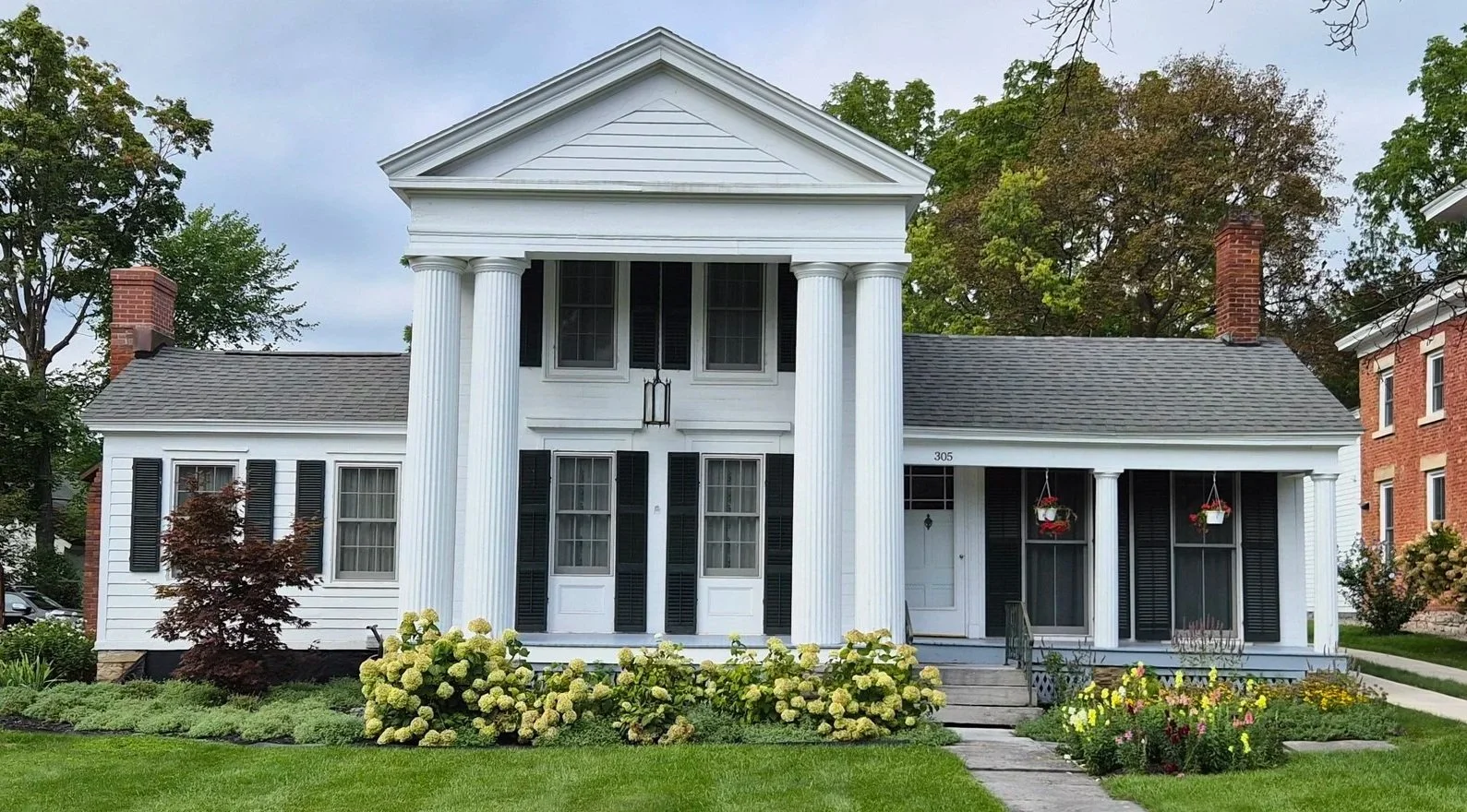
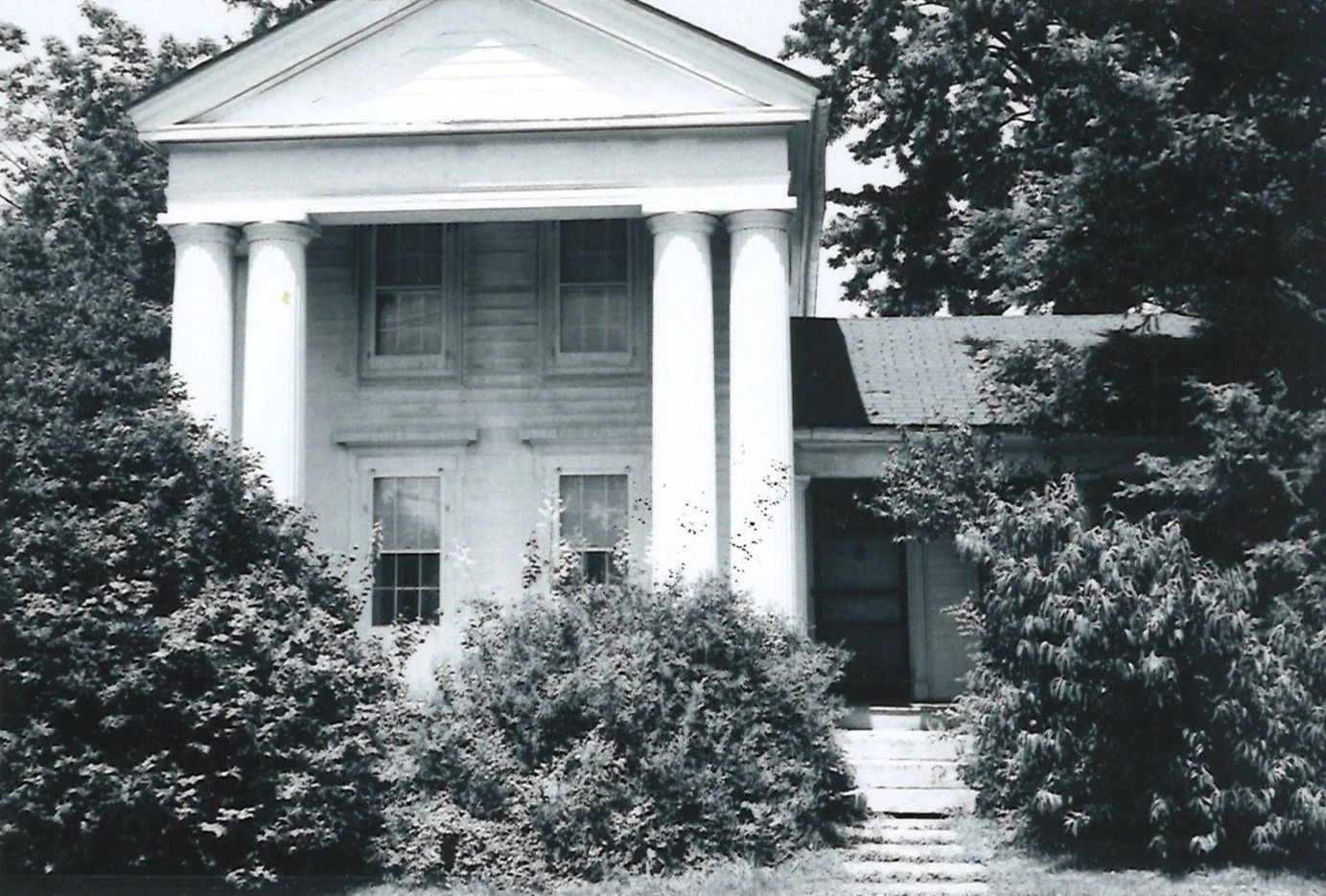
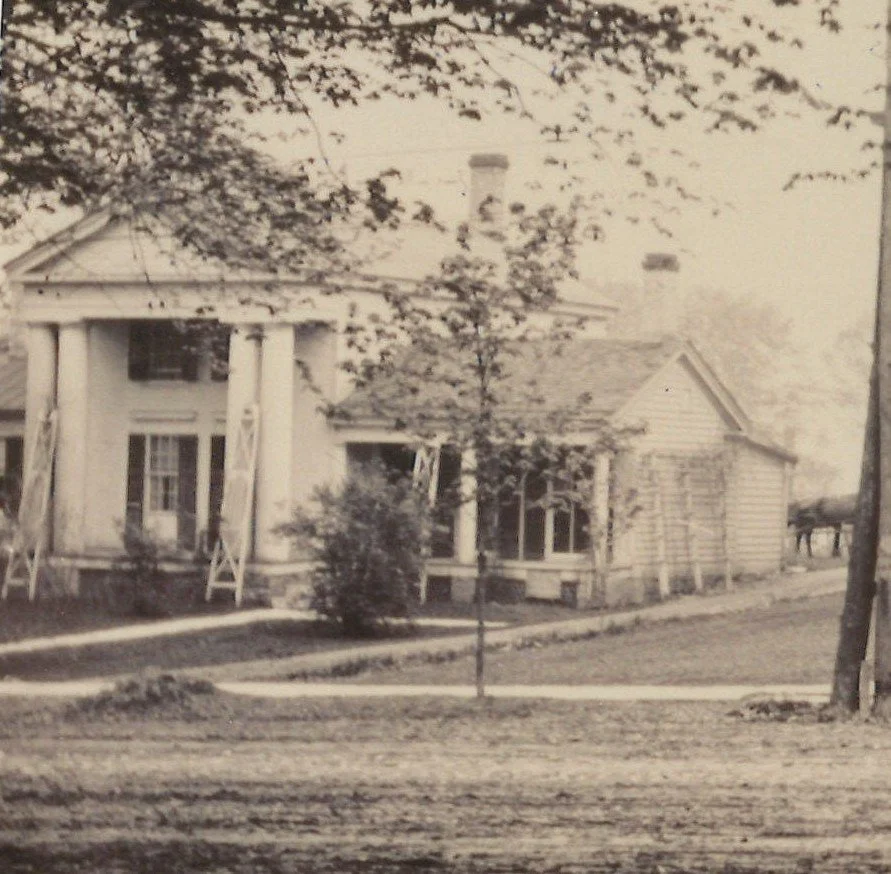
Built in 1825, this home is an exceptional example of Greek Revival / Village Colonial residential architecture. The main house spans approximately 2,100 square feet and still features its original wide-plank pine flooring from the 1820s. It sits on a large, nearly half-acre village lot. Over time, an attached second unit boasting a cathedral ceiling was added to the property. This has allowed the house to modernly function as a multi-family property or a combined primary residence and income unit. It is currently a privately owned home. In addition to its 19th-century history, the house has been a showcase for modern environmental history. In 2018, it served as a featured property for HeatSmart CNY, an initiative designed to promote clean heating and cooling solutions. The house was utilized as a public open-house model to demonstrate how an early 19th-century historic home could be fully retrofitted with clean, modern geothermal energy without altering its classic historic facade.
History
Born November 1, 1802, in Hoosick, New York, L.P. Noble married Harriet Edwards in 1828 and moved to Fayetteville in 1829. An abolitionist leader and dedicated reformer, he was identified with a central New York circle that included Gerrit Smith, James C. Jackson, and Luther Myrick. As founder and publisher of the National Era from 1847 to 1860, he worked with its editor Gamaliel Bailey, as well as with such correspondents as Henry B. Stanton, husband of Elizabeth Cady Stanton. The National Era published Harriet Beecher Stowe’s Uncle Tom’s Cabin in 40 serial installments in 1852. When Stowe’s work appeared in book form, it sold more than one million copies in nine months.
Noble was a Sabbath school superintendent and deacon of the Fayetteville Baptist Church, one of the directors of the Syracuse National Bank, and President of the Fayetteville and Syracuse Plank Road. “Every reform of a civil, moral, or social character found in him a cordial supporter,” noted one obituary. (The Examiner and Chronicle, March 6, 1873)
He died on January 26, 1873, aged 70 or 71, and is buried in the Fayetteville Cemetery. His obituary noted that “He was a man of commanding presence, large brain, considerable intellectual culture, a good speaker, and an honest man. He might have filled high political stations, but his radical views kept him in the minority. His generous spirit could not be fettered by sectarian narrowness, or the blind bigotry of a corrupt public sentiment. He cared not for office—he wanted honesty and honor in the conduct of public affiars. (The Examiner and Chronicle, March 6, 1873)