Ledyard Canal
Runs throughout the Village
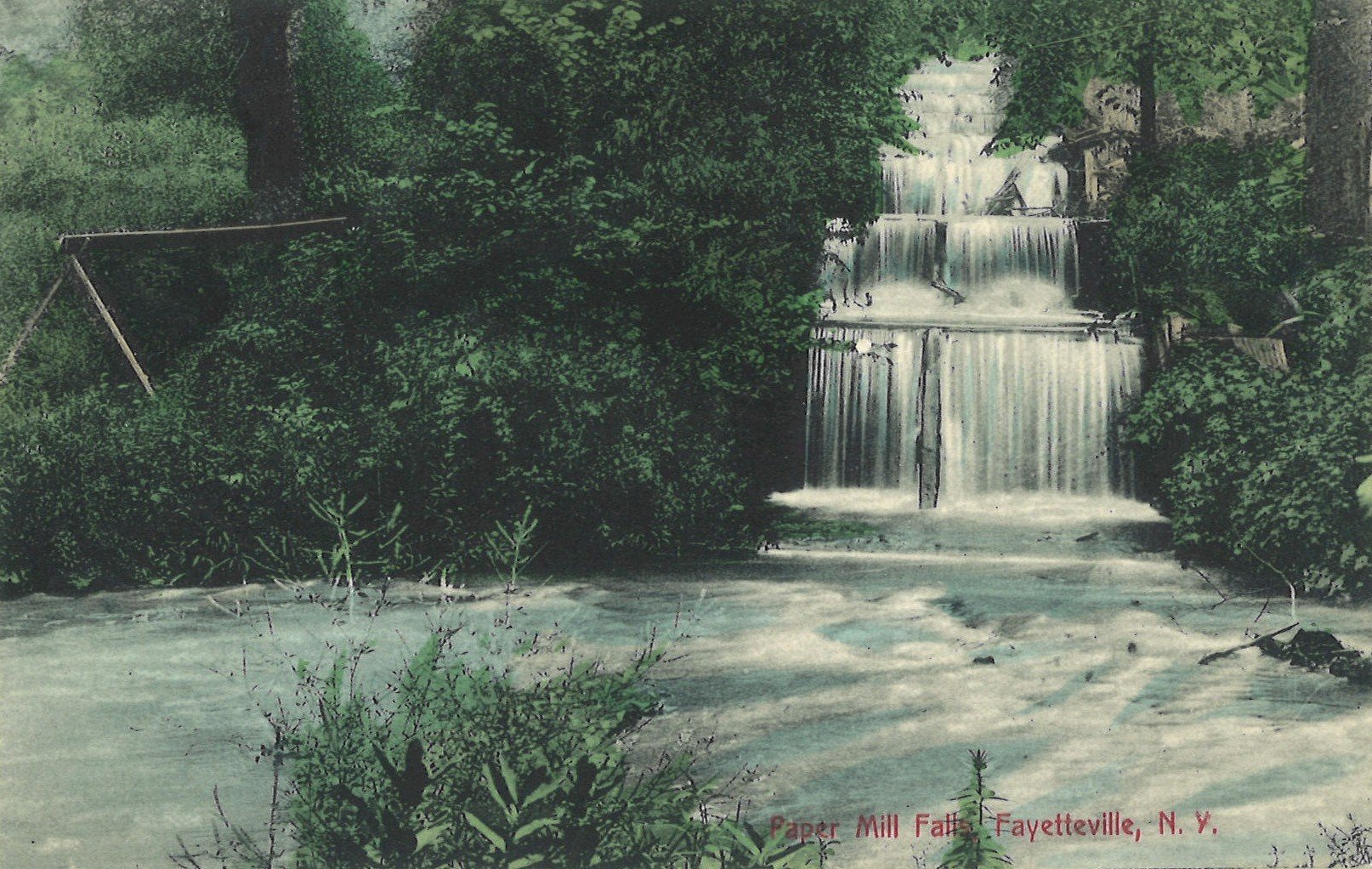
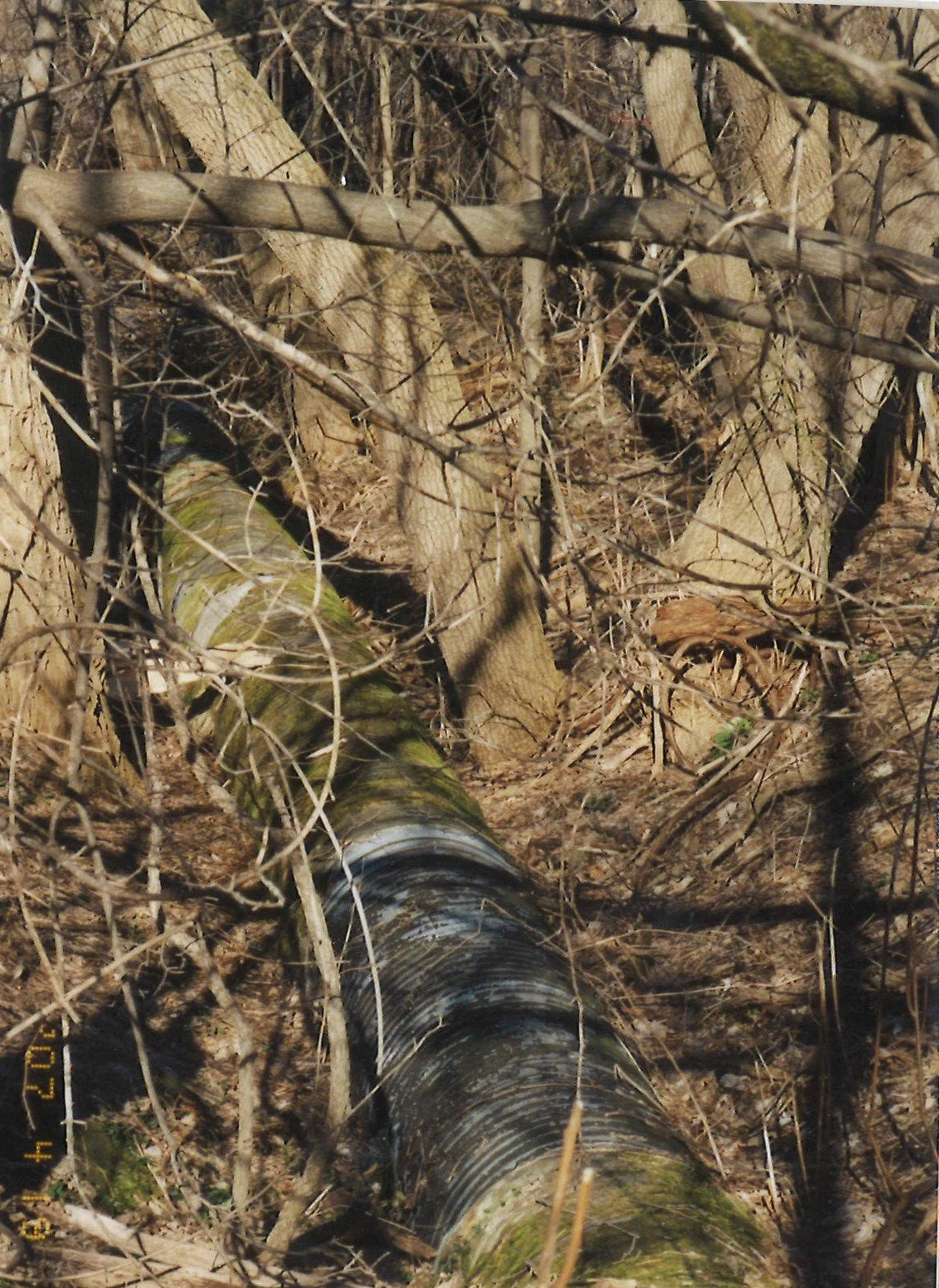
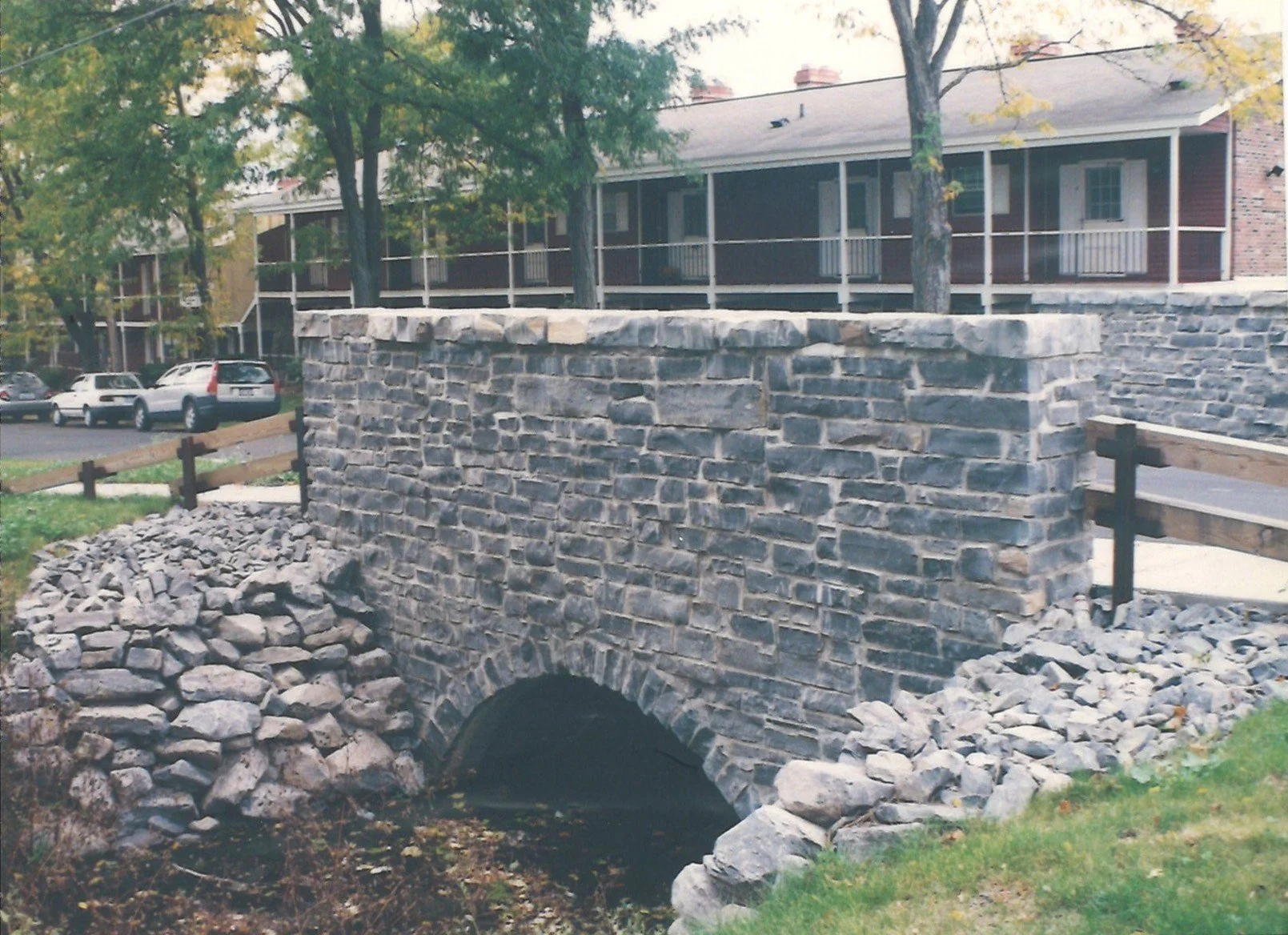
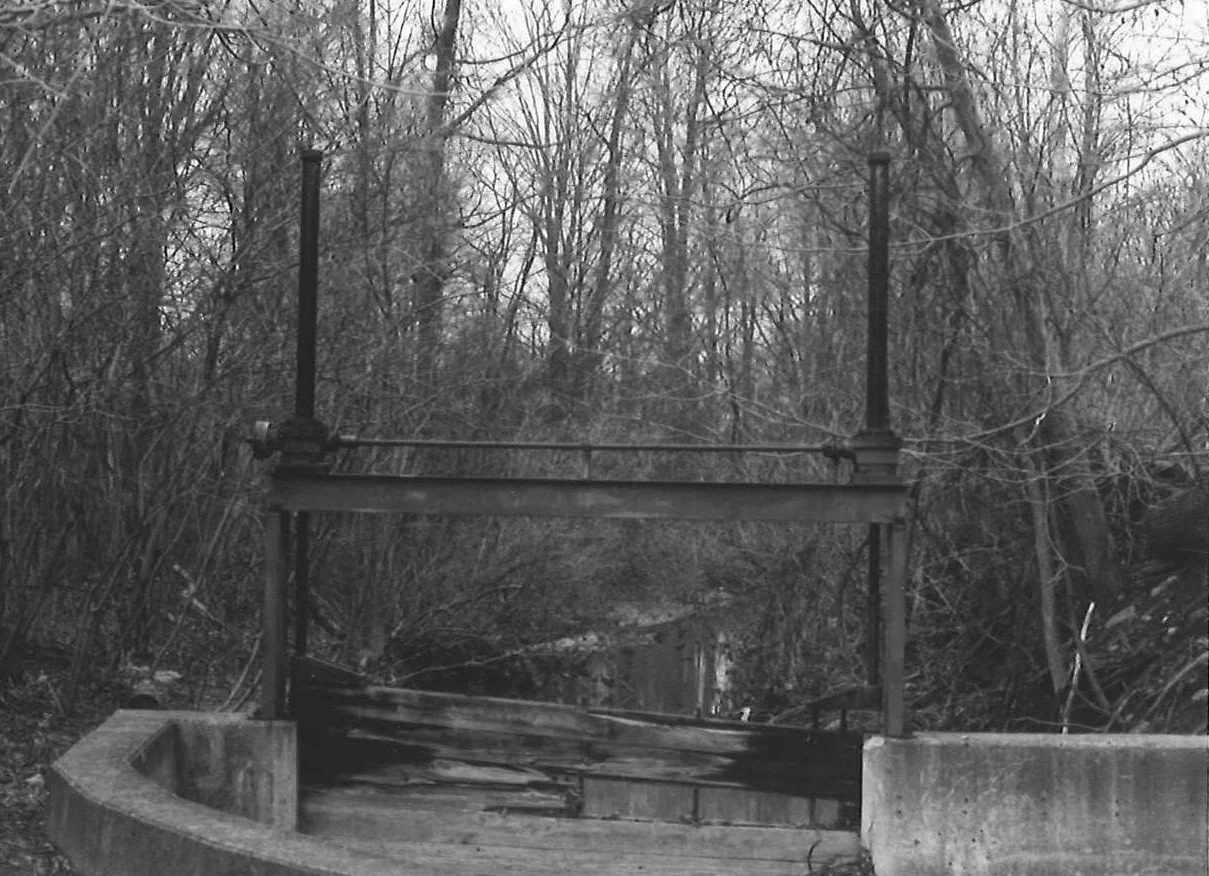
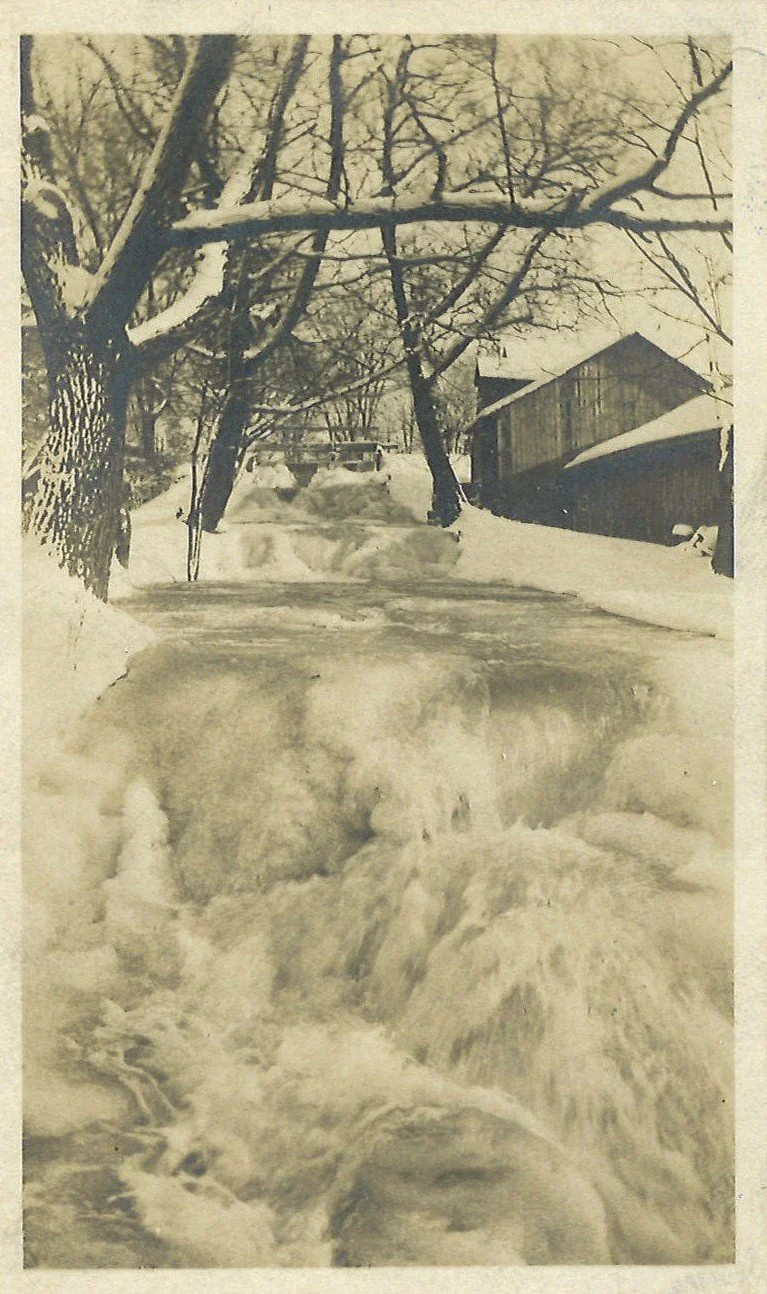
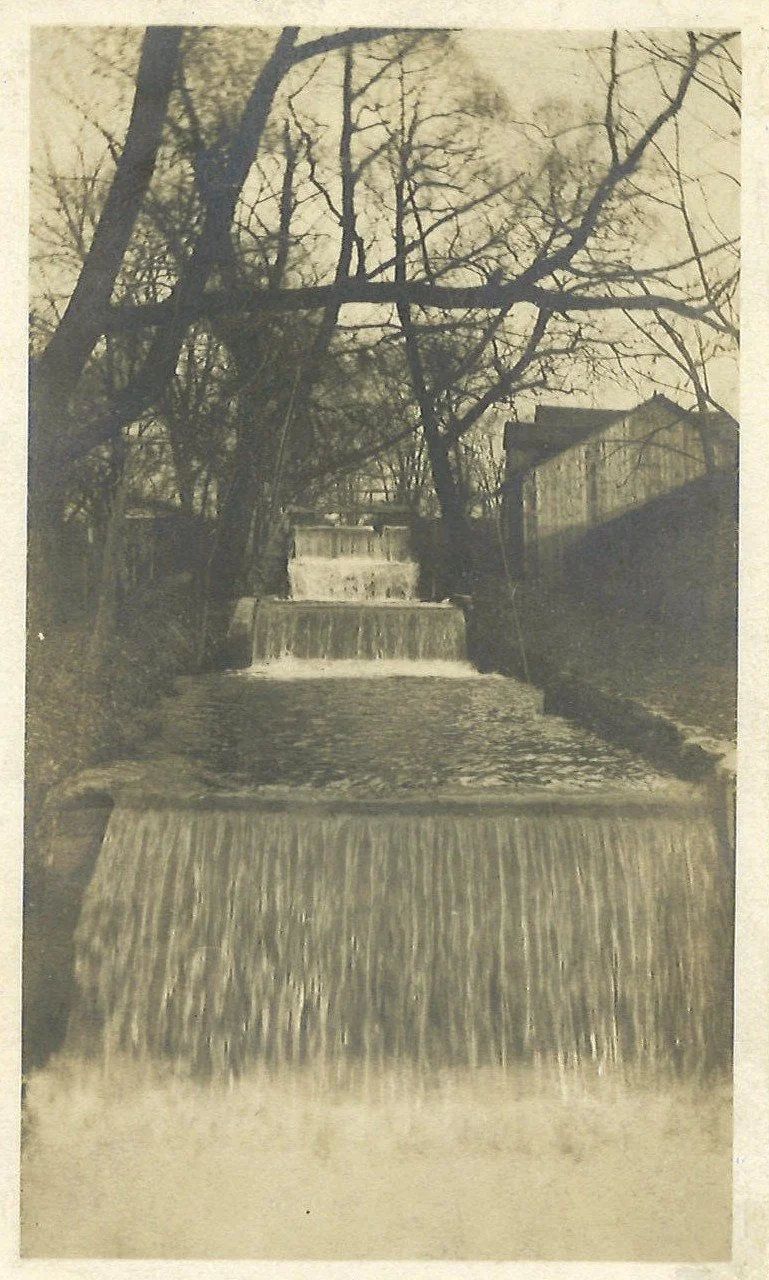
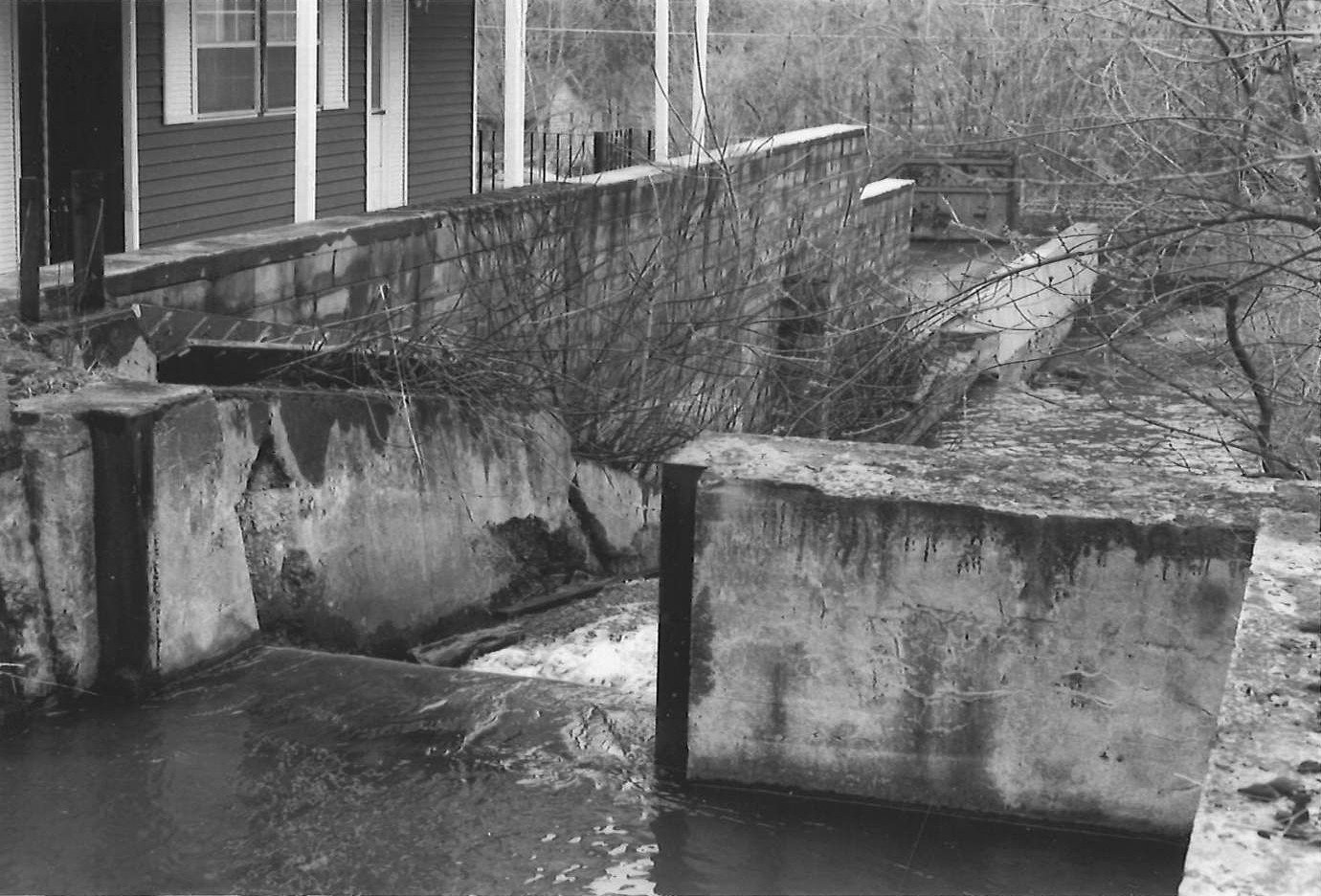
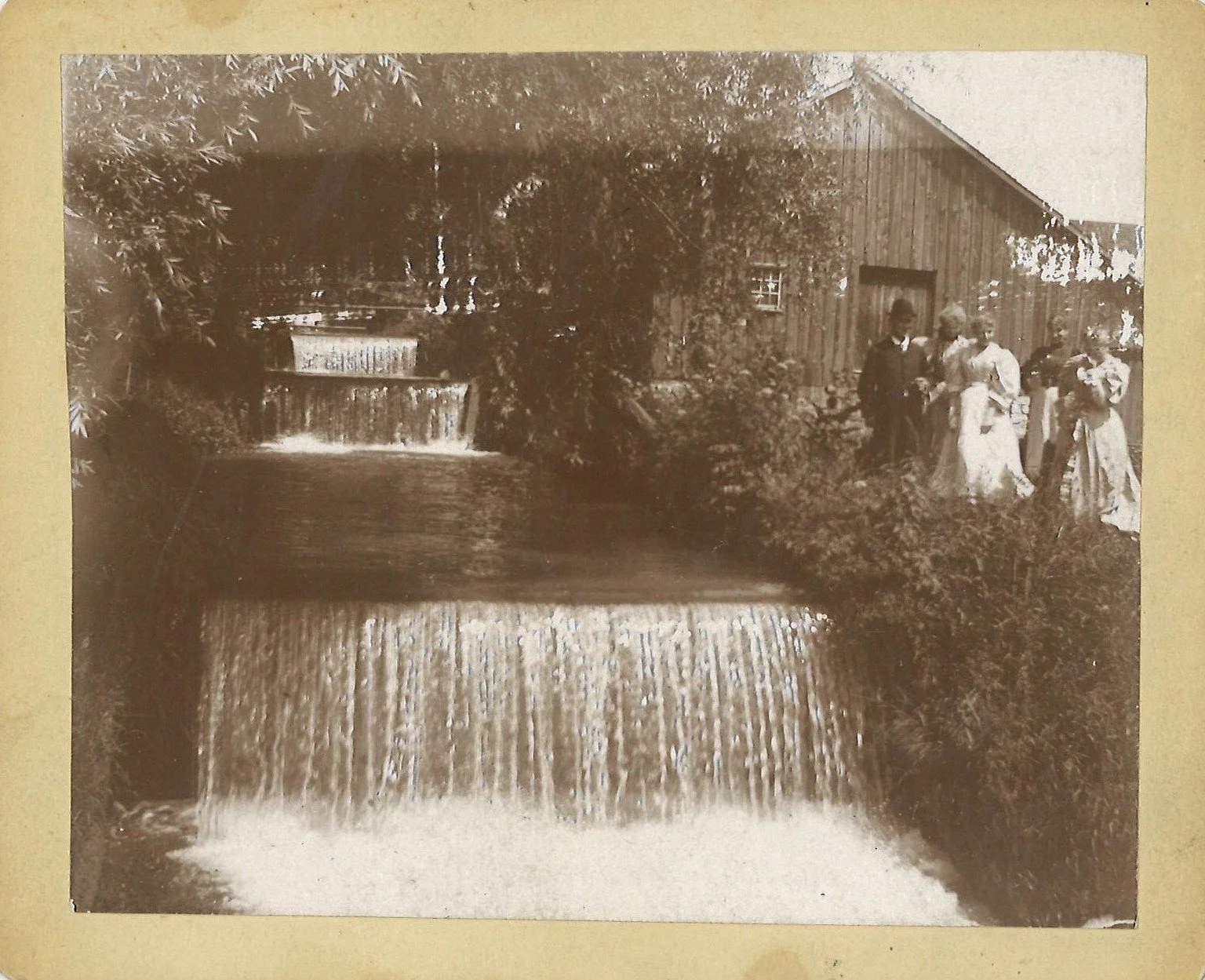
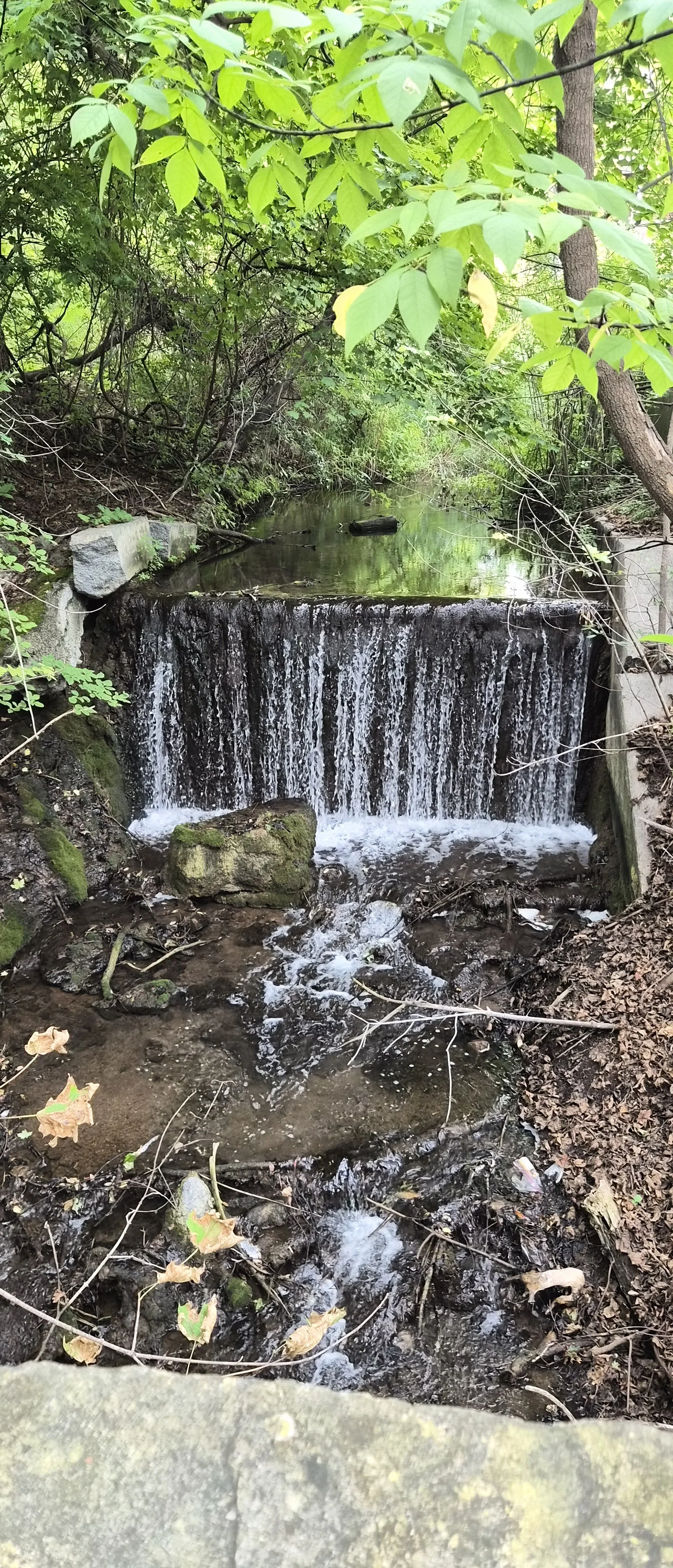
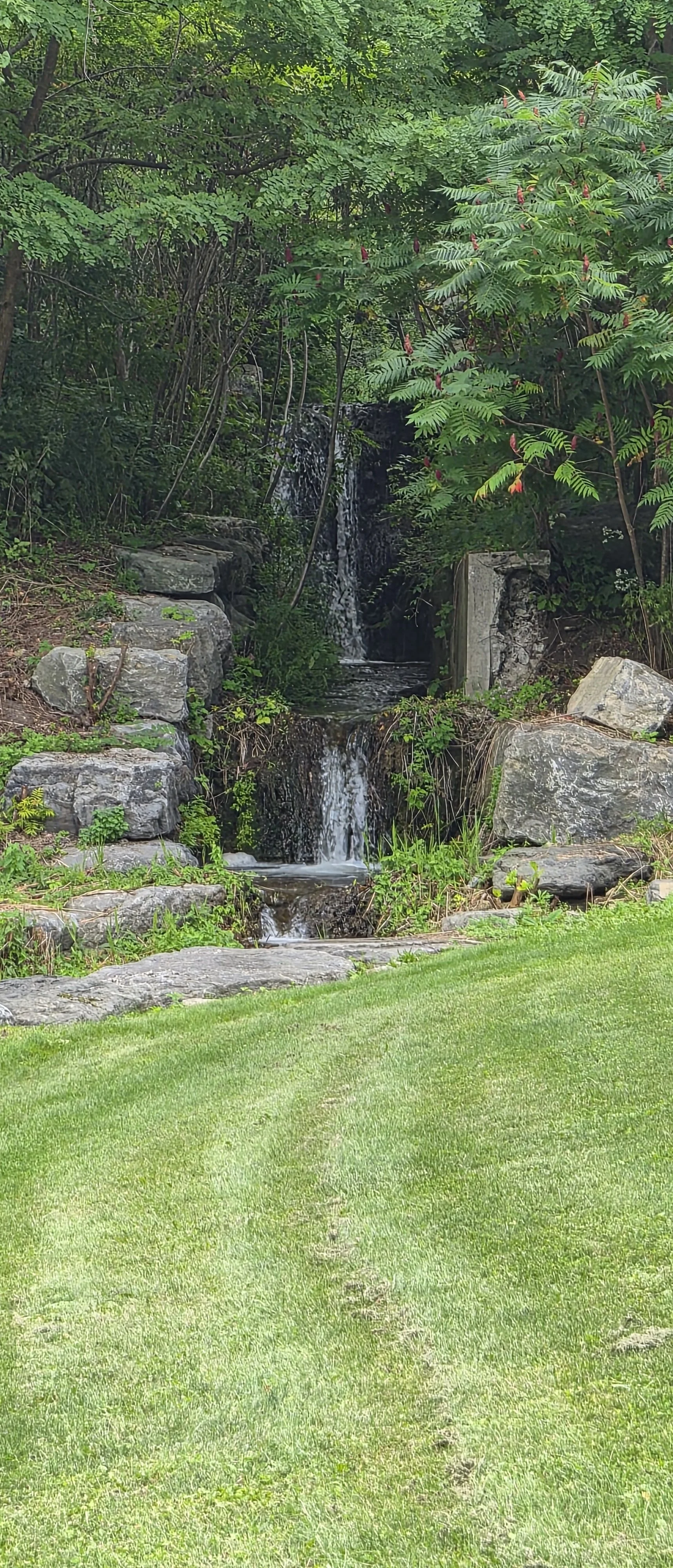
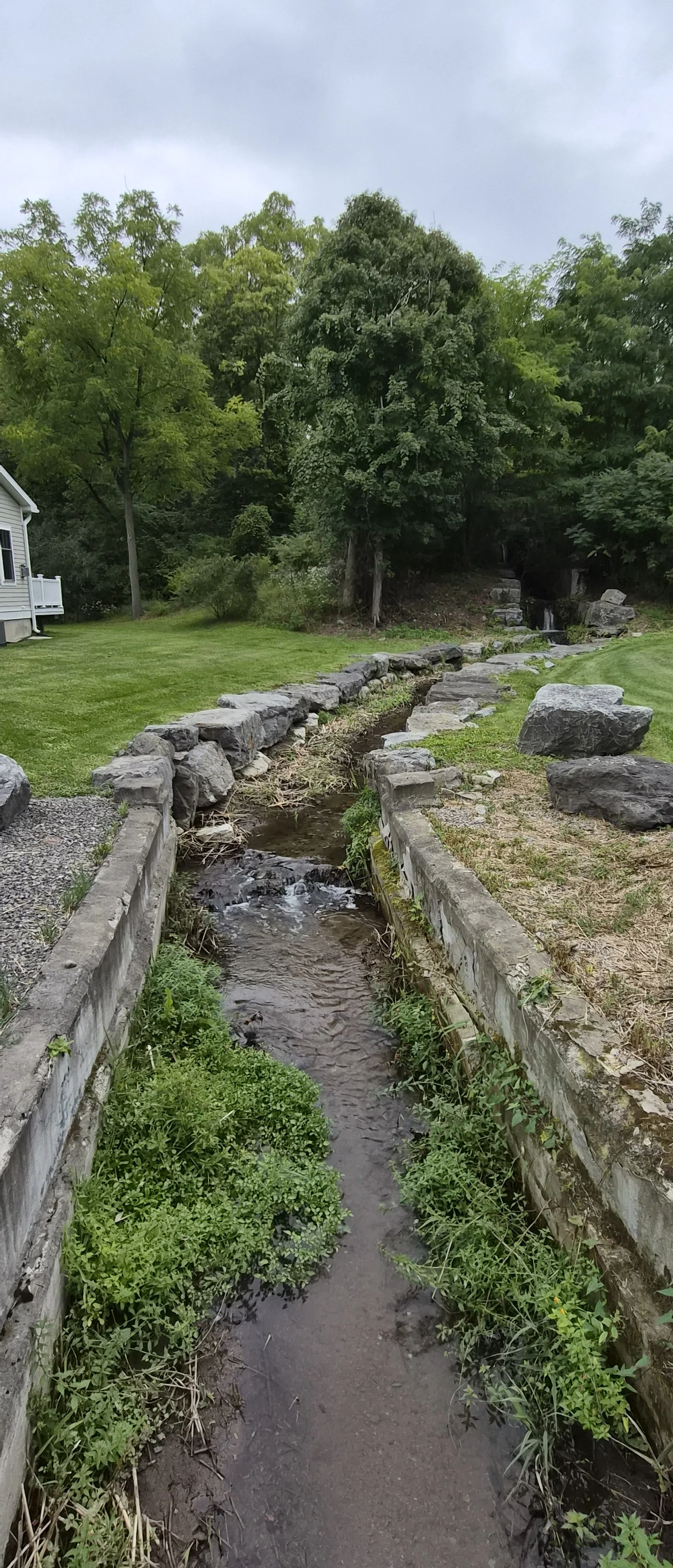
The Ledyard Canal is an intact example of an early and unusual power canal opened during the second quarter of the nineteenth century. Fayetteville resident William M. Redfield urged drawing water from Limestone Creek upstream, creating a drop of 100' from the Beard Park Resevoir to where the canal returns to Limestone Creek along Mill Street. The canal runs two miles north through a level ditch to the Village of Fayetteville where a series of falls would power mills, hence the naming of Mill Street. Unlike the nearby Erie Canal, which was engineered strictly for the navigation of commercial boats, the Ledyard Canal was built entirely as a power canal—a corporate engineering project designed to capture and redirect water to fuel Fayetteville's rapid industrialization.
The New York State Legislature chartered the Fayetteville Hydraulic Company in 1836. Onondaga County resident George Geddes (1809–1883) surveyed the route of the canal ditch, which was probably dug using horse-powered shovels like those used to excavate the nearby Erie Canal. Four water lots, or mill seats, each with four falls totaling nearly 20 feet, were designated and sold to the company directors. In 1849, the gates were opened. The canal successfully captured water in Manlius and funneled it down a slight decline, creating a controlled, staggered 100-foot vertical drop when it reached Fayetteville.
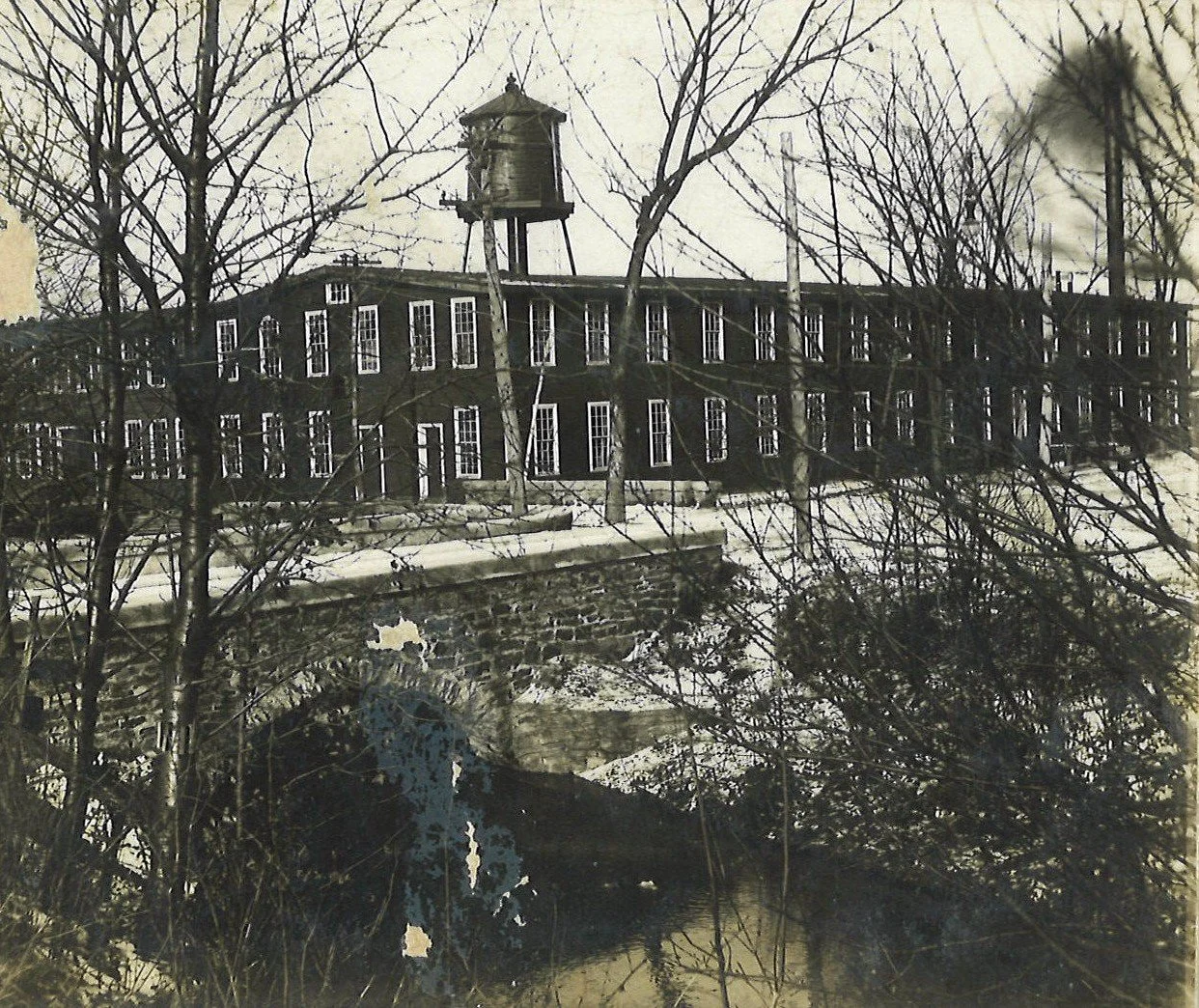
The rushing water drove heavy machinery at four distinct major factories, including flour mills, plaster mills, lime works, and local paper mills. The canal famously flowed right past the original Stickley furniture factory, spinning a major sawmill that processed timber for their globally recognized Mission-style furniture line. The vast wealth generated by these canal-powered mills directly financed the historic Greek Revival and Village Colonial mansions that still line Fayetteville’s Genesee Street today. Three seats were used until the mid-1900s for a varied production including electricity. McIntyre Paper owned most of the canal route by then, using the water not only to power machinery but in the paper-making process as well. The McIntyre Paper company sold those parcels to the Village of Fayetteville in 1984. McIntyre continued using the water to process pulp until 2002, when they closed.